

Chromium and selenium may have a positive effect on mental disorders

Chromium and selenium may have a positive effect on mental disordersNutrients in the diet play an important role in energy levels and mental health. For example, chromium and selenium have a beneficial influence on blood sugar, the nervous system, and inflammatory processes, which are linked to fatigue, mood swings, psychiatric disorders, and poorer prognoses. This is highlighted in a review article published in the Journal of Clinical Psychopharmacology. According to the researchers, supplementation with chromium and selenium therefore has a potential role in the prevention and treatment of various mental disorders.

Read more about how chromium and selenium may have a positive effect on mental disorders

  • Created on .

Vitamin B3 and green tea protect against Alzheimer’s disease

Vitamin B3 and green tea protect against Alzheimer’s diseaseVitamin B3, found in protein-rich foods, is important for energy metabolism, circulation, and protection of nerve cells. Getting enough vitamin B3, combined with drinking green tea that contains a specific antioxidant, appears to provide additional protection for nerve cells. This suggests that the combination of vitamin B3 and green tea may protect against the development of Alzheimer’s disease through synergistic effects, according to a study published in GeroScience.

Read more about how vitamin B3 and green tea protect against Alzheimer’s disease

  • Created on .

Interactions between lead and zinc can increase the need for zinc

Interactions between lead and zinc can increase the need for zincLead is found in exhaust fumes, paint, batteries, ceramics, contaminated soil, contaminated food, and many other sources. We are all exposed to lead to some degree, and this environmental toxin accumulates in the body over time. Lead is primarily considered a neurotoxin, and symptoms of lead poisoning vary depending on the level of exposure. Lead seems to affect the gut microbiota as well as the body’s zinc utilization, which is important for cellular DNA and hundreds of enzymatic processes. Therefore, lead exposure can increase the need for zinc. This is reported in both an older article published in Journal of Trace Elements in Medicine and Biology and a more recent one published in Toxicology Letters.

Read more about how interactions between lead and zinc can increase the need for zinc

  • Created on .

The need for vitamin C during pregnancy and breastfeeding

The need for vitamin C during pregnancy and breastfeedingPregnant and breastfeeding women have an increased requirement for vitamin C, which is important both for the development of the fetus and as an antioxidant that protects cells and tissues against damage caused by oxidative stress. There are strong indications that the recommended intake for vitamin C is too low. In addition, pregnant and breastfeeding women who smoke may have an even greater need, according to a population study published in Nutrition Research.

Read more about the need for vitamin C during pregnancy and breastfeeding

  • Created on .

Omega-3 fatty acids have a positive effect on overweight asthma patients

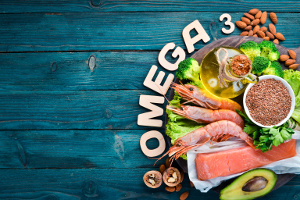
Omega-3 fatty acids have a positive effect on overweight asthma patientsObesity is an increasing health problem, which also raises the risk of asthma. In addition, it can be challenging to treat overweight asthma patients with conventional therapies, and that increases the risk of hospitalization. According to a population study published in Respiratory Medicine, omega-3 fatty acids - primarily found in fatty fish and fish oil supplements - may have a positive effect on conventional asthma therapies. The researchers believe this is due to the two biologically active forms of omega-3 in fish oil, EPA and DHA, which help regulate inflammation and other metabolic processes.

Read more about omega-3 fatty acids and their positive effect on overweight asthma patients

  • Created on .

Selenium’s protective role in infections and trauma

Selenium’s protective role in infections and traumaDuring infections and trauma, the body triggers a series of inflammatory processes, which are also associated with cascades of free radicals and the risk of oxidative stress. In such cases, the trace element selenium plays a crucial role: partly as a component of the immune system and in regulating inflammatory processes, and partly as a powerful antioxidant that counteracts damage to cells and tissues caused by free radicals. Evidence also suggests that selenium deficiency increases the risk of complications or severe outcomes from influenza, COVID-19, and other infections. The same applies to blood clots and physical trauma. Conversely, early selenium supplementation can reduce complications, shorten hospital stays, and lower overall mortality, as highlighted in a recent review article published in Antioxidants.

Read more about selenium’s protective role in infections and trauma

  • Created on .

Inflammatory skin diseases are often associated with mineral deficiencies

Inflammatory skin diseases are often associated with mineral deficienciesThe skin requires a range of nutrients for growth and protection against local infections and injuries. Evidence suggests, however, that patients with inflammatory skin diseases such as psoriasis, atopic eczema, and patchy hair loss often have deficiencies in minerals like zinc, selenium, and iron. Elevated levels of copper, which should be balanced with zinc, have also been observed, and these findings are reported in a new meta-analysis published in Nutrition Reviews.

Read more about how inflammatory skin diseases are often linked to mineral deficiencies

  • Created on .

The role of vitamin C in cognitive function in older adults and smokers

The role of vitamin C in cognitive function in older adults and smokersAs the population ages, the number of people experiencing cognitive decline of varying degrees is also on the rise. Diet and lifestyle play a major role in brain function, and higher vitamin C intake has been associated with better cognitive performance in older adults. Evidence also suggests that smokers may benefit the most, according to a study published in Frontiers in Nutrition.

Read more about the role of vitamin C in cognitive function in older adults and smokers

  • Created on .

Active vitamin D counteracts age-related muscle loss

Active vitamin D counteracts age-related muscle lossAge-related muscle loss, also known as sarcopenia, is characterized by a progressive decline in muscle mass, which increases the risk of various diseases and premature death. Evidence suggests that active vitamin D regulates muscle protein synthesis and thereby helps prevent sarcopenia, particularly in people with prediabetes. This is reported in a Japanese placebo-controlled study published in Metabolism.

Read more about how active vitamin D counteracts age-related muscle loss

  • Created on .

Vegetarians often lack zinc

- and supplements strengthen their immune system

Vegetarians often lack zincZinc is crucial for the immune system on multiple fronts. Animal-based foods such as meat and eggs are the best sources, as zinc from plant-based sources is less readily absorbed. As a result, vegetarians and vegans often have insufficient zinc intake. On the other hand, zinc supplementation can enhance the production of interferon and other components of the immune system, which are particularly important for defending against viral infections. This is highlighted in a study published in Clinical Nutrition. It is also important to note that aging and certain medications can increase the risk of zinc deficiency.

Learn more about how vegetarians often lack zinc – and how supplements strengthen their immune system

  • Created on .

Omega-3 fatty acids support mood and prevent dementia

Omega-3 fatty acids support mood and prevent dementiaExperiencing an excess of negative emotions such as anxiety, anger, sadness, and worry is also referred to as neuroticism. Research indicates that neuroticism is associated with low levels of the omega-3 fatty acid DHA, which over time may increase the risk of vascular dementia. This emerges from a large population study, where the authors highlight the particular importance of omega-3 fatty acids for the brain, nervous system, and circulatory system. Overall, ensuring adequate omega-3 intake appears beneficial for both mood and cognitive function.

Learn more about how omega-3 fatty acids support mood and prevent dementia

  • Created on .

Chronic fatigue tied Alan to his bed but Q10 capsules saved him:

Chronic fatigue tied Alan to his bed but Q10 capsules saved him "After about one week of taking the Q10 supplement I could feel a huge difference," says 23-year old Alan Piccini, who has been suffering from extreme fatigue and muscle aches ever since he was a child.

Read more

Cholesterol-lowering without side effects:

Cholesterol-lowering without side effects:“Taking capsules with co-enzyme Q10 has freed me of the severe side effects of my cholesterol lowering medicine,” Mrs Franken explains.
Read more