






Inflammatory bowel diseases are linked to vitamin D deficiency
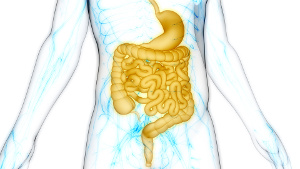 Inflammatory bowel diseases such as Crohn’s disease and ulcerative colitis are becoming more and more common, even among young people. Diet, gut flora, and immune defense play a major role. Also, patients with inflammatory bowel disease seem to have lower blood levels of vitamin D, which is linked to the chronic inflammatory state and the progression of the disease. This was demonstrated in a study that was published recently in the science journal Medicine.
Read more about the link between inflammatory bowel diseases and vitamin D deficiency
- Created on .

 Non-alcoholic fatty liver disease (NAFLD) that is linked to overweight and type 2 diabetes may eventually cause critical liver inflammation, liver fibrosis, and liver cancer. The diet plays a major role, and scientists from Oregon State University have observed that the

 The body uses inflammation as part of its normal immune response to infections and tissue damage. If inflammation becomes chronic, however, it can be extremely dangerous. What happens is that it bombards the body with free radicals. This leads to oxidative stress and increases the risk of cell damage, overweight, and chronic diseases like type 2 diabetes, cardiovascular disease, autoimmune diseases, and different cancer forms. Diet and lifestyle play a major role, and according to a meta-analysis published in Frontiers in Pharmacology,
  Many of us contract respiratory infections during the winter period. In many cases, the underlying cause is a deficiency of



 "After about one week of taking the Q10 supplement I could feel a huge difference," says 23-year old Alan Piccini, who has been suffering from extreme fatigue and muscle aches ever since he was a child.
 “Taking capsules with co-enzyme Q10 has freed me of the severe side effects of my cholesterol lowering medicine,” Mrs Franken explains.