


Omega-3 fatty acids and antioxidants protect the brain in sports disciplines with frequent head injuries
 Contact sports like football and boxing are associated with frequent blows to the head that can cause physical traumas and long-term effects. However, a new study that is published in Journal of the International Society of Sports Nutrition suggests that high-dosed supplements of omega-3 fatty acids can protect against the damage caused by head traumas in American football. There is even a positive effect on cardiovascular health and joints. Excessive training and high performance sport can also increase the risk of oxidative stress that is linked to acute injury, inflammation, and subsequent development of neurological disease. It is therefore also important to get plenty of antioxidants like vitamins A, C, and E plus selenium and zinc if you engage in sport at a high level.
- Created on .
 Sleep apnea affects our breathing during sleep. The condition is also known to impair the patient’s health and quality of life. It even appears that
 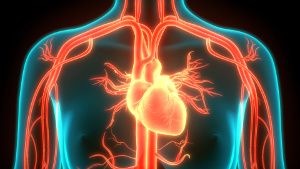 The diet’s content of vitamin K1 and vitamin K2 lowers the risk of atherosclerosis and cardiovascular disease by way of several mechanisms, yet there are relatively few studies that show the relation. In a Danish study that is published in Journal of the American Heart Association, scientists looked closer at how the content of the two forms vitamin K in the diet affect the risk of hospitalization linked to atherosclerosis and cardiovascular disease. So how does
 The number of seniors worldwide is increasing and more and more are affected by Alzheimer’s disease, the leading cause of dementia. We should therefore focus much more on this health problem that comes with an enormous human and socio-economic price tag. According to a new meta-analysis, supplementation with
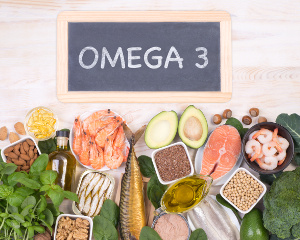 It is commonly known that omega-3 fatty acids are involved in a number of essential functions in the body. One of the fatty acids, DHA, may even have a toxic effect on cancer cells because they are unable to store the fatty acid correctly. In a new Belgian study published in Cell Metabolism, scientists explain the exact mechanisms. They also suggest that omega-3 supplements may be useful in cancer therapy, especially because the average
  During World War II, food supplies were scarce. At one point, English researchers wanted to find out how little
 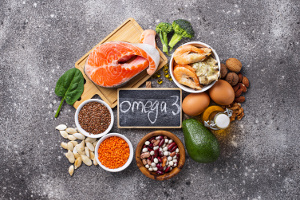 Oily fish and fish oil have a high content of the two omega-3 fatty acids, EPA (eicosapentaenoic acid) and DHA (docosahexaenoic acid), that are important for our brain, nervous system, intelligence, and mental health. Modern diets, however, are to blame for our lack of
 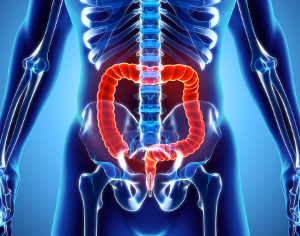 Colorectal cancer is one of the most common cancer forms in Denmark, which is why prevention is so important. According to a new American study that is published in Gastroenterology, increased intake of
  Type 1 diabetes can eventually lead to eye damage and if this is not discovered in time it may cause blurry or impaired vision. According to a new study that is published in Diabetes, supplementing with
  Sales of plant-based meat, also known as meat analogue, has increased for environmental reasons and a number of other reasons. However, even if meat analogue does resemble regular animal meat it has an entirely different nutritional value. According to a study from Duke University in the United States, real meat contains 22 different nutrients and metabolites that you do not get from meat analogue. On the other hand, meat based on vegetarian sources contains 31 nutrients and metabolites that are not found in normal meat. The largest difference between the two, according to the scientists, lies in their content of amino acids, peptides, vitamins, phenols, and fatty acids. The researchers also mention that a diet based on vegetable and animal products is complementary because it contains more nutrients.
 More and more people experience despair and depression. There can be several underlying factors but according to a large German population study, lack of