 Active vitamin protects us against virus infections in a number of different ways. Vitamin D also controls the inflammatory processes and prevents them from becoming complicated. In a review article published in World Journal of Virology, scientists have pored over multiple meta-analyses and placebo-controlled studies that show a clear relation between vitamin D deficiency and an increased risk of respiratory viruses such as COVID-19 and influenza. Being vitamin D-deficient can also increase the risk of these infections turning into SARS (severe acute respiratory syndrome) that can result in potentially life-threatening circulatory failure and organ failure. Apparently, vitamin D plays an important and overlooked role in the prevention of virus infections.
 A chronic cough often follows in the wake of virus infections such as colds, influenza, and COVID-19. Lack of vitamin D seems to be a major contributor, coupled with the fact that a vitamin D deficiency often increases during the disease period. Vitamin D is of vital importance to a strong immune defense and also helps to regulate inflammation. Therefore, supplementation with vitamin D may be worth considering as a way of preventing virus infections and treating complications such as chronic cough, according to two studies that are published in European Respiratory Journal.
 Several studies have shown that optimizing your blood vitamin D levels with supplementation reduces the risk of contracting respiratory infections such as COVID-19. A new Hungarian study, published in Nutrients, has also found that very high doses of vitamin D given to hospitalized COVID-19 patients can reduce the risk of prolonged hospital stays and death due to severe complications.
 Magnesium is vital for your health and quality of life in many ways. Still, around 30 percent of the population is believed to be magnesium deficient. This can either be because of an inadequate dietary intake of the mineral or because the body excretes too much magnesium due to stress, medication, chronic ailments, and other causes. Magnesium deficiency, which is difficult to diagnose, increases the risk of osteoporosis, infections, insomnia, cardiovascular diseases, overweight, diabetes, stroke, cancer, neurological disorders, and many other things, according to a review article published in Clinics and Practice. The authors list magnesium’s many functions and suggest supplementation as a convenient and inexpensive way to avoid a serious and widespread health problem.
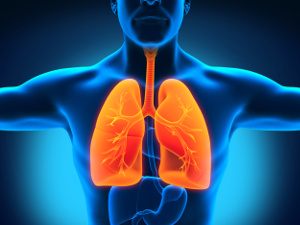 Most chronic pulmonary diseases – including asthma, bronchitis, and COPD (Chronic Obstructive Pulmonary Disease) – are characterized by chronic inflammation that makes both the symptoms and the prognosis worse. Fish and fish oil supplements contain specific omega-3 fatty acids that appear to have an anti-inflammatory effect and may therefore be useful as both prevention and therapy for chronic pulmonary diseases. This was demonstrated in a large American population study that also included Europeans. What the researchers also mention is that people who fail to meet the official guidelines for fish consumption are often at increased risk of developing chronic lung diseases.
 During infections and trauma, the body triggers a series of inflammatory processes, which are also associated with cascades of free radicals and the risk of oxidative stress. In such cases, the trace element seleniumplays a crucial role: partly as a component of the immune system and in regulating inflammatory processes, and partly as a powerful antioxidant that counteracts damage to cells and tissues caused by free radicals. Evidence also suggests that selenium deficiency increases the risk of complications or severe outcomes from influenza, COVID-19, and other infections. The same applies to blood clots and physical trauma. Conversely, early selenium supplementation can reduce complications, shorten hospital stays, and lower overall mortality, as highlighted in a recent review article published in Antioxidants.
 It is mainly older people and those with chronic illnesses that are vulnerable to COVID-19 and other respiratory infections. Also, it’s a fact that lack of essential nutrients impairs your immune defense and may have serious health consequences, whether you are vaccinated or not. A large study of 19 European countries reveals that low blood levels of vitamin D increases the risk of complicated COVID-19 infections, hospitalization, and death. According to the scientists, it is necessary to discuss and optimize people’s vitamin D status to help them resist future pandemics.
- and supplements strengthen their immune system
 Zinc is crucial for the immune system on multiple fronts. Animal-based foods such as meat and eggs are the best sources, as zinc from plant-based sources is less readily absorbed. As a result, vegetarians and vegans often have insufficient zinc intake. On the other hand, zinc supplementation can enhance the production of interferon and other components of the immune system, which are particularly important for defending against viral infections. This is highlighted in a study published in Clinical Nutrition. It is also important to note that aging and certain medications can increase the risk of zinc deficiency.
- and supplementation has a therapeutic effect
 Respiratory infections are a leading cause of illness and, in some cases, can become so complicated that they pose a life-threatening risk to vulnerable groups, which is why the body’s immune system and antioxidant defense are crucial. According to a population study published in Nutrients, with a special focus on children and adolescents, supplementation with vitamin Cmay play a therapeutic role in preventing and treating respiratory diseases.
 The body’s vitamin D status can be used to predict the risk of contracting COVID-19, developing serious symptoms in the acute disease phase, and dying of its complications. This was demonstrated in a large Chinese study, where majmost of the hospitalized COVID-19 patients lacked vitamin D.
 Ever since the COVID-19 pandemic started, scientists have focused on vitamin D. This nutrient strengthens and regulates the immune defense in a number of different ways. Numerous studies have shown that lack of vitamin D increases the risk of being infected with COVID-19 and running into complications. High-dosed vitamin D supplementation of COVID-19 patients can lower their risk of being admitted to the intensive care unit and dying of the disease, according to a new meta-analysis that is published in Nutrients.
 Side effects such as chronic fatigue syndrome (CFS/ME), brain fog, sleep disturbances, and other neurological issues have been observed both after COVID-19 infections and vaccinations. According to a study published in Nutrition, most of these patients were already deficient in vitamin D, and higher doses of vitamin D that optimize blood levels can help relieve their symptoms. It’s generally advisable to maintain adequate vitamin D levels for the prevention of COVID-19, influenza, and other infections.
 Many of us contract respiratory infections during the winter period. In many cases, the underlying cause is a deficiency of vitamin D, a key nutrient for immune health. Vitamin D also regulates the body’s inflammatory response, thereby preventing it from getting out of hand and becoming complicated or life-threatening. In a new review article, researchers looked at vitamin D’s role in preventing and fighting acute respiratory infections such as COVID-19 and influenza with particular focus on children and youngsters. The scientists point out that many people need to take higher doses of vitamin D to optimize levels of the nutrient in their blood.
- including serious complications?
 Older adults are more easily infected with influenza, COVID-19, and other infections and are also at greater risk that these infections will develop into complications such as pneumonia or acute respiratory distress syndrome (ARDS), which can be potentially life-threatening. One major reason is chronic “inflammaging” caused by widespread deficiencies of vitamin D, vitamin C, selenium, zinc, omega-3 fatty acids, and Q10. This not only increases the risk of infection but also the risk that the immune system will overreact with hyperinflammation, which is the real reason why respiratory infections and sepsis can become life-threatening. Overall, it appears that aging processes increase the need for specific nutrients, and if the immune system is well supplied, it will usually handle most pathogens without causing any symptoms.
 A cold is a common and contagious virus that normally lasts around a week. If a person has poor resistance, however, complications such as sinus infections, ear infections, and pneumonia may follow. Colds cause a substantial number of sick days and represent a huge socioeconomic burden to society, but zinc supplementation seems to be able to reduce the number of sick days. Just remember to get enough vitamin D also because of interactions between the two nutrients.
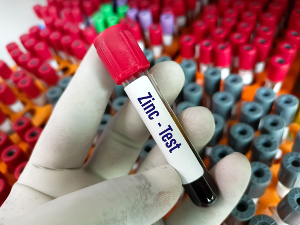 Zinc has many different functions in the immune defense and a zinc deficiency increases the risk of infections and diarrhea, which are global causes of disease and mortality. According to a study published in Physiological Reports, being zinc-deficient can also lead to influenza complications such as bacterial pneumonia that is potentially lethal. The authors assume that zinc plays a key role in the body’s defense against respiratory infections, including COVID-19. They write that factors such as unhealthy diets, ageing, alcoholism, intestinal diseases, and various types of medicine can increase the body’s need for zinc.
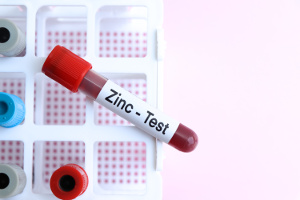 The immune system is of vital importance to our ability to react to a COVID-19 infection. Most people don’t get any symptoms or only have mild ones, whereas the infection can become complicated and potentially life-threatening for certain exposed groups of people. Numerous studies have shown that our immune defense depends on different vitamins and minerals to function optimally. Now, a meta-analysis has shown that zinc supplementation can lower the mortality rate among COVID-19 patients. Many older people, chronically ill patients, and other vulnerable groups tend to lack zinc. This is a problem because the nutrient is not only essential for a well-functioning immune defense but also protects cells and tissues against damage caused by oxidative stress.
 Zinc holds several crucial roles in the immune system. A zinc deficiency therefore impairs the metabolism of white blood cells and weakens the capacity of the immune system, thereby increasing the risk of influenza, COVID-19, pneumonia, and other respiratory diseases. This was outlined in a review article published in the journal Immunometabolism.


