Depression may be linked to vitamin B12 deficiency
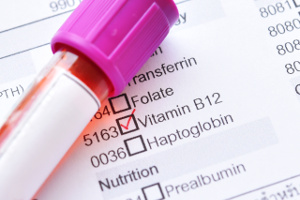 Vitamin B12 is involved in the making of red blood cells. Its role in our nervous system is often overlooked. According to a large Irish study of older people that is published in British Journal of Nutrition, there is a link between lacking vitamin B12 and feeling depressed. Depression is a growing problem that comes with a huge human and socioeconomic price tag, which makes this study highly relevant. It is especially older people, public health servants, and politicians that should pay extra attention to vitamin B12 deficiencies and how to prevent them with simple and inexpensive means. It should also be noted that vegetarian and vegan diets, low stomach acid, and diabetes medication can increase the risk of having low levels of vitamin B12.
Read more about why depression may be linked to a vitamin B12 deficiency
- Created on .
 Levels of
 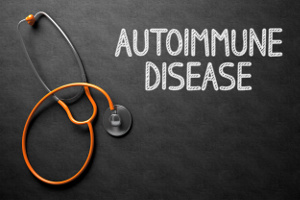 Autoimmune diseases occur in the wake of chronic inflammation and are the result of the immune defense erroneously attacking the body’s own tissues. Rheumatoid arthritis, psoriasis, sclerosis, and Hashimoto’s disease (that causes hypothyroidism) are all examples of autoimmune diseases that primarily affect women and older people. The diet plays a significant role and according to a study published in The British Medical Journal, supplements of vitamin D and fish oil taken for extended periods can lower the rate of autoimmune diseases. This is useful knowledge because these diseases are on the rise and the medicine that is used to treat them often comes with serious side effects.
 Lack of
  It has already been documented that the widespread problems with vitamin D deficiency increase the risk of being infected with COVID-19 and developing life-threatening complications. In a new study, a team of Turkish scientists has demonstrated that swift treatment with
 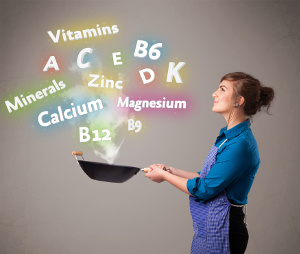 In ancient times when our ancestors hunted, they consumed every inch of the animal – from one end to another. Organ meat such as the liver, the heart, and the kidneys were delicacies that contained far more essential nutrients than other parts of the animal. In Western countries, we primarily consume muscle meat. In addition, animals often get unnatural fodder with suboptimal nutrient content. This results in deficiencies and an imbalance between amino acids and fatty acids. In the following article, you can read more about organ meats (also known as offal), bone marrow, and bone broth and their high content of essential amino acids,
 Overweight is looked upon as a global epidemic with grave consequences for public health. In a new review article that is published in International Journal of Molecular Sciences, scientists look closer at the relation between melatonin and overweight. Primarily known for its role as a sleep hormone, melatonin is also important for the body’s carbohydrate and lipid metabolism. The authors study melatonin’s role in the body’s energy metabolism and in oxidative stress and inflammation, which is known to make overweight bad for your health. They also look at how melatonin affects the circadian rhythm and its role in sleep disturbances and the gut flora that also influence body weight.
 Cardiovascular diseases are the leading cause of death and, as it turns out, alarming problems with
 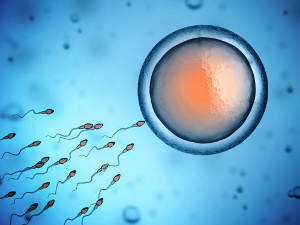 Impaired sperm quality if one of the major reasons for involuntary infertility. Studies show that oxidative stress, an imbalance between harmful free radicals and protective antioxidants, causes damage to sperm cells. In a review article that is published in Reproductive Sciences, a group of researchers look closer at different molecular mechanisms and how vitamins C, E, selenium, zinc, and coenzyme Q10 plus other antioxidants protect the vulnerable sperm cells.
 Both diet and lifestyle affect your risk of developing liver cancer. According to a large population study published in Frontiers in Nutrition, regular intake of fish oil lowers your risk of contracting the disease. In fact, it seems that fish oil has a number of different cancer-preventing mechanisms that even reduce the risk of other types of cancer.
 The corona crisis has shed new light on the importance of having a strong immune defense, one that protects us against virus infections in the long run. Selenium plays a vital role for a number of different reasons but, unfortunately, there is widespread deficiency which increases the risk of infections and related complications. In a new review article that is published in International Journal of Molecular Sciences, the authors look closer at selenium’s role in connection with different types of virus infections such as influenza, HIV, and hepatitis with particular focus on COVID-19. The purpose of their article is to inform about new nutritional strategies that may contribute to a strong and well-functioning immune defense – mainly when it comes to COVID-19 and virus types that tend to mutate all the time.