


Fish oil supplements and certain antioxidants work in synergy to improve our memory
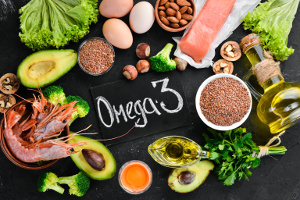
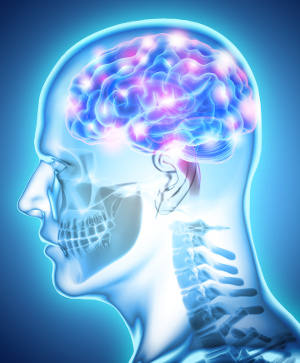 A well-functioning memory is vital for our quality of life. With the increasing number of seniors, however, the dementia rate is on an incline. According to a study that is published in Clinical Nutrition, it looks as if a combination of fish oil and antioxidants such as lutein and zeaxanthin may improve memory in elderly seniors. You can support your brain and memory on a daily basis by eating oily fish or fish oil supplements together with antioxidants from foods such as cabbage, spinach and other leafy greens, and eggs. Another important antioxidant is mezo-zeaxanthin that is found in certain fish and in fish skin.
- Created on .
 It is estimated that one billion people worldwide lack
 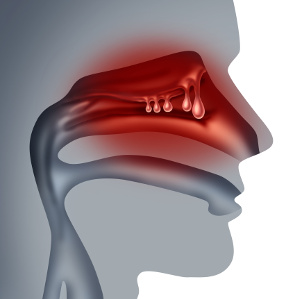 Nasal polyps are local growths that may cause runny nose, breathing difficulty, reduced sense of smell, and other symptoms. The polyps are a result of chronic inflammation that can have its roots in a number of causes. According to a new study that is published in Clinical Epidemiology and Global Health, patients with nasal polyps have lower levels of
  The winter period is the time of year where we typically lack
  It is common knowledge that too much sun exposure can cause skin cancer. On the other hand, lack of sunlight is also a problem. If you expose yourself to plenty of sunlight during your childhood years it lowers your risk of developing multiple sclerosis later in life, according to a study from University of California and Australian National University. The reason why sunlight protects against multiple sclerosis and a number of other illnesses is that the sun is our most important source of
 Inflammatory bowel diseases (IBD) and irritable bowel syndrome (IBS) are common chronic bowel diseases. Earlier studies show that supplementation with
  Apparently so.
 Critically ill patients often suffer from inflammation and oxidative stress, which is an imbalance between harmful free radicals and protective antioxidants. In worst case, this may result in tissue damage and organ failure. It turns out
 There is worldwide focus on finding better ways to prevent and treat COVID-19 because of the limited effect of vaccines. It is important to understand why the infections are harmless in most cases and why only a small number of people are affected by ARDS (acute respiratory distress syndrome), which is complicated and involves hyperinflammation. What represents the real problem here and what makes these infections life-threatening is a derailed and overactive immune defense. Multiple studies have already demonstrated that lack of vitamin D increases the risk of being infected with COVID-19 ending up in intensive care, and the studies also show that vitamin D supplements have a therapeutic potential. In a new review article that is published in Clinical and Molecular Allergy, researchers look closer at the synergy between vitamin D, magnesium, and zinc in relation to their ability to regulate the immune system and as potential therapeutic agents. It is also vital to have enough selenium, a nutrient that many people lack.
 HIV, the virus that causes AIDS, is potentially life-threatening because it attacks central cells in the immune defense. It has also been documented that HIV patients have an increased risk of lacking