


Q10 for preventing and treating cardiovascular disease
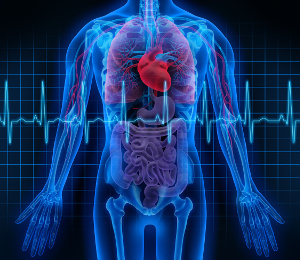 Cardiovascular diseases are widespread and one of the major causes of death. The risk is increased by factors such as ageing, diabetes, and overweight. One of the underlying causes is oxidative stress, which is an imbalance between free radicals and antioxidants. Q10, which is involved in cellular energy turnover, happens to be one of the most powerful antioxidants. According to a review article that is published in the scientific journal Antioxidants, supplementation with Q10 can reduce oxidative stress and cardiovascular mortality. It can also improve quality of life and increase the chances of survival. Generally speaking, Q10 has a huge potential for anyone with a desire to remain healthy, and it is important to choose a supplement with documented quality and bioavailability.
Read more about Q10 for treating and preventing cardiovascular diseases
- Created on .
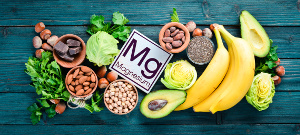
 Chronic fatigue commonly follows in the wake of influenza, herpes, COVID-19, and other infections. The immune system does not function optimally, and the tiredness is caused by oxidative stress and inflammation. The condition is often accompanied by poor concentration, depression, and sleep disturbances. Oxidative stress is an imbalance between pro-inflammatory free radicals and protective antioxidants.
  Type 2 diabetes is currently treated with a number of different medical drugs. However, the medicine is not able to deal with the underlying causes of the disease that affects most organ systems. A Chinese study has demonstrated that
  Our nutritional status is of vital importance to our health and our ability to handle infections.
  PCOS or polycystic ovary syndrome is a hormone imbalance and the most common cause of involuntary female infertility. The disease brings on symptoms such as tiredness, sugar cravings, overweight, hirsutism, and an increased risk of type 2 diabetes. It turns out that women with PCOS also have lower levels of
  The majority of sexually active people contract HPV (human papilloma virus), of which there are several types. Normally, the infection goes away by itself but in some cases it becomes chronic. This increases the risk of serious cell changes in the cervix which, in worst case, can result in cervical cancer. An American study has found that having adequate levels of five different antioxidants – albumin plus vitamins A, B2, E, and folic acid – may lower papilloma virus infections that are linked to cervical cancer.
 According to Bruce Ames, an American biochemist, ageing processes are largely due to lack of nutrients. One important contributing factor is the fact that our uptake and utilization of vitamins and minerals decrease with age. In addition, a lot of different types of medicine block our ability to utilize different nutrients. As a result of this, many of our enzyme processes slow down, making our cells increasingly vulnerable and that increases our risk of disease. Nonetheless, there is a lot we can do to optimize our intake and utilization of nutrients, particularly with respect to vitamin B12, vitamin D, calcium, iron, selenium, and zinc. It is also worth taking a look at Q10 for energy turnover and melatonin for healthy sleep. Our endogenous synthesis of both compounds decreases with age.
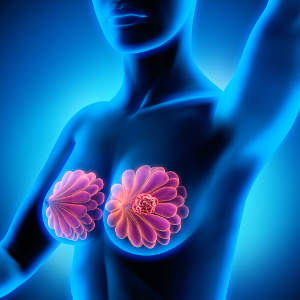 Breast cancer is very common in the Western world and modern society. The disease is thought to be associated with lifestyle factors and lack of essential nutrients. For instance, it has been known for a long time that lack of vitamin D increases the risk of breast cancer. According to a new study that is published in the science journal Endocrinology, there is also a link between lack of vitamin D and the development of metastases in the lungs. Previous research also shows that the widespread deficiency of selenium, iodine, omega-3 fatty acids, and melatonin can increase the risk of breast cancer but supplements can help prevent the disease and possibly be used as add-on therapy.
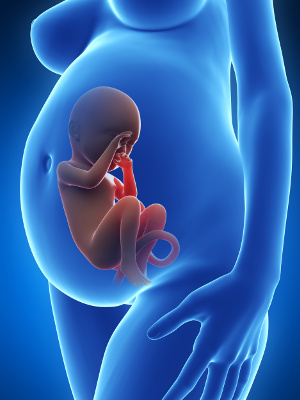 The number of small children affected by asthma and allergy is a growing worldwide problem.
  Plant-based vegan diets have become increasingly popular among young adults and they even introduce these diets to their children. It is common knowledge that vegan diets lack vitamin B12, which is why many vegans take a supplement. However, a sizeable number of vegans also lack iodine, iron, zinc, and selenium. Most studies have looked at adults but it appears that children on vegan diets also risk metabolic changes, and they have lower blood levels of vitamins A and D compared with children on normal diets. This was demonstrated in a new study that is published in the esteemed international science magazine, EMBO Molecular Medicine.
 An increasing number of young women risk giving birth to babies with an insufficiently developed mental capacity due to
 The diet’s content of vitamin C, vitamin B6, vitamin B12, folic acid, and other vitamins has a positive impact on our mental and physical health and well-being Lack of vitamins may even remedy depression and chronic pain, according to a Japanese study of seniors. The number of seniors worldwide is increasing with more and more people being affected by physical and mental disease. Therefore, scientists want to take a closer look at the diet and its influence on quality of life measured by different accounts.