


Vitamin A, vitamin D, and omega-3 for the brain’s neurons and development
- throughout life
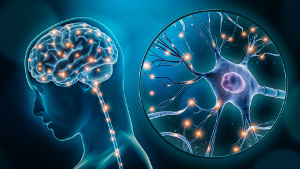 Neurologists agree that the brain’s neurons constantly change in relation to stimuli from the inside and outside environment. That is how we learn new skills and develop our memory. The brain’s ability to adapt and change is called neuroplasticity and doctors have suspected for a long time that it takes place in the synapses. A team of scientists from the University of Freiburg in Germany has discovered that a vitamin A-like compound affects the neurons and their ability to adapt to structure and function. The scientists hope that their discovery can contribute to the development of new therapies for treating brain disorders. Earlier studies have shown that omega-3 fatty acids, vitamin D, and lifestyle in general also affect the brain’s neuroplasticity and development.
- Created on .

 The immune system cannot function without
  Having higher blood levels of
  Type 2 diabetes is spreading like a bushfire with many people unaware that they have the disease. Diabetes increases your risk of cardiovascular disease, blood clots, and early death. A group of scientists from the University of St. Andrews in Scotland has looked closer at the different processes and studied the trace element zinc and its ability to improve the outcome of therapy by preventing dangerous blood clots. The new study is published in the Chemical Science journal.
  Women who are overweight before becoming pregnant have an increased risk of abnormal fetal growth and low birth weight. However, it appears that fish oil supplementation can lower the risk of these complications, according to a new pilot study that is published in the science journal, Nutrients. The scientists behind the study explain how omega-3 fatty acids in fish oil support a healthy pregnancy and help control inflammation, insulin sensitivity, and lipid metabolism, all of which tend to be off balance in overweight pregnant women.
 Vitamin D’s role in maintaining proper health is well documented. Still, many older people lack the nutrient and that increases their risk of bone fractures, blood poisoning, and disease complications that can eventually lead to hospitalization. Also, they risk prolonged hospitalization according to a new Irish study published in the scientific journal Nutrients. The scientists recommend giving vitamin D supplements to seniors to increase their blood levels of vitamin D. Other studies even suggest that this can protect against COVID-19, as low vitamin D status is associated with an increased risk of being hospitalized with the disease.
 According to a retrospective study of older COVID-19 patients, lack of
 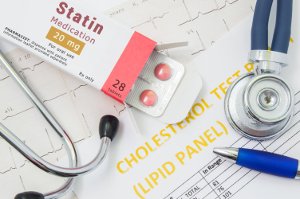 Cholesterol-lowering statins are among some of the most widely sold medical drugs. However, there is growing disagreement about their preventive effect on atherosclerosis and cardiovascular diseases, which are linked to many other factors than cholesterol levels alone. It turns out that statins also block the body’s production of

 Type 2 diabetes is spreading like a bushfire. An alarmingly many people have metabolic syndrome – or pre-diabetes – which is characterized by insulin resistance, hypertension, elevated cholesterol levels and abdominal obesity (apple-shaped body). Type 2 diabetes and metabolic syndrome are associated with enormous human and socio-economic costs. In this article, we will look closer at chromium, vitamin D, magnesium, and coenzyme Q10 plus relevant diet changes to see how they can positively affect blood sugar levels, cholesterol balance, and weight control. We will also take a closer look at supplements that are able to prevent diabetic neuropathy, a disorder that can lead to amputations.
 According to a pilot study from Los Angeles, patients with higher blood levels of