 A lot of evidence points in that direction. Higher doses of nicotinamide, a form of vitamin B, may also prevent the recurrence of common skin cancers. The effect is even greater if vitamin B3 supplementation is started immediately after the diagnosis has been given, according to a large population study published in JAMA Dermatology.
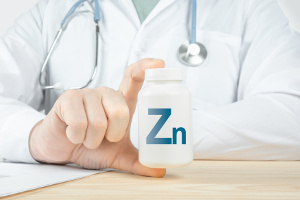 Over the past decades, it has been common practice to use zinc in creams and salves for treating various skin disorders. Zinc has wound-healing, antibiotic, and anti-inflammatory properties that make it useful for such purposes. In a review article that is published in International Journal of Molecular Sciences, the authors look closer at zinc’s role in skin health. They also look at whether zinc supplementation may positively affect eczema, acne, psoriasis, herpes, and other skin diseases. The authors also address the fact that around one third of the world’s population is zinc-deficient.
 Supplementing with fish oil has already shown therapeutic benefits in treating several skin conditions, including atopic eczema, acne, psoriasis, and even burns. Local treatment with fish oil may also be a useful complement, although more clinical studies are needed, according to a review published in the Journal of Cosmetic Dermatology. Since many skin disorders involve chronic inflammation, it is generally recommended to ensure fish oil is taken at a therapeutic dose. Fish oil also helps counteract dry skin, which is more vulnerable.
 Atopic dermatitis is a common skin disease. Our modern lifestyle plays a role, and vitamin D deficiency in early childhood also seems to increase the risk of developing the disease later in life, according to a study that is published in World Allergy Organisation Journal. The health authorities recommend that pregnant women and small children take a vitamin Dsupplement.
 The skin requires a range of nutrients for growth and protection against local infections and injuries. Evidence suggests, however, that patients with inflammatory skin diseases such as psoriasis, atopic eczema, and patchy hair loss often have deficiencies in minerals like zinc, selenium, and iron. Elevated levels of copper, which should be balanced with zinc, have also been observed, and these findings are reported in a new meta-analysis published in Nutrition Reviews.
 Psoriasis is a chronic inflammatory skin condition. Some patients also develop rheumatoid symptoms and metabolic disturbances. The diet plays a major role, and psoriasis patients appear to have fewer polyunsaturated omega-3 fatty acids in their red blood cells. According to a Polish study that is published in Nutrients, psoriasis patients seem to have an entirely different lipid profile in their red blood cells, which promotes inflammatory processes and increases the severity of the disease.
 Our bodies naturally produce Q10, a compound with a crucial role in cellular energy metabolism that also functions as an antioxidant and protects against cell damage. Our natural production of Q10 declines significantly with age and as a result of various stress factors, thereby accelerating signs of aging. This also affects the condition of the skin. Research suggests that skincare products containing Q10 may slow down visible signs of aging, such as wrinkles and sagging skin. This is supported by a review article published in The Journal of Clinical Aesthetic Dermatology. Additionally, previous studies indicate that high-quality Q10 supplements may have potential benefits in counteracting various aging processes and the development of chronic diseases.
 The condition of our skin means a lot to our appearance and health, and being deficient in one or several nutrients can cause premature skin ageing. Also, things like poor wound healing, acne, herpes infections, yeast infections, eczema, psoriasis, and other skin disorders may occur. In a review article published in Medicina, scientists have looked at the role of vitamins A, C, E, D, and biotin plus omega-3 fatty acids in skin health. Studies suggest that selenium and zinc may also be important for healthy skin and anti-ageing. If you don’t get enough of these nutrients or if you simply have an increased need for them, you may consider taking a supplement.
 Many skin disorders, such as acne, atopic dermatitis (eczema), and psoriasis, are linked to flaws in the skin’s natural barrier and an immune system that is either too weak or overreacts with chronic inflammation. The skin’s natural microflora may also be out of balance. In this context, various vitamins play important roles in supporting skin health due to their regenerative, immune-stimulating, anti-inflammatory, antibiotic, and antioxidant properties that help protect the skin against damage. In a new review article published in The Microbe, the authors explore how different vitamins (A, B1, B2, B3, B12, C, D, and E) contribute to skin health, immune function, and the management of skin conditions.
 In the case of wounds or skin lesions, an active form of vitamin A regulates how stem cells initiate healing processes and produce new skin. This was demonstrated in a study from Rockefeller University that is published in the journal Science. In the future, researchers plan to look closer at how active vitamin A can be used to regulate stem cells as a way of preventing and treating skin cancer.
 The appearance of the skin plays a crucial role in how we look, and both aging processes and unhealthy lifestyle habits leave visible marks. However, new research suggests that increasing vitamin C intake through diet or supplementation may have a greater positive effect than topical creams containing vitamin C. The reason is that vitamin C, delivered through the bloodstream, penetrates all layers of the skin, where it boosts collagen production and stimulates the formation of new skin cells. This is demonstrated in a study from the University of Otago in New Zealand, in which participants consumed two vitamin C–rich kiwifruit per day. Other good dietary sources of vitamin C may also be used, or supplements can be taken at higher doses.
 Photodynamic therapy is a kind of light therapy that is used to treat skin cancer, psoriasis, and other skin diseases. According to a review article published in Nutrients, vitamin D supplementation can improve the outcome of the treatment. In fact, vitamin D appears to have several positive effects on skin health. Taken in large doses, the vitamin can even repair skin damage caused by sunburns.
 Atopic eczema primarily affects children and is also known as childhood eczema or asthma eczema. A deficiency of vitamin D during pregnancy alone increases the risk that the child will develop the condition. According to a Swiss study published in Nutrients, supplementation with vitamin D, fish oil, and the fatty acid GLA can alleviate various symptoms of atopic eczema in children.


