


The potential role of zinc supplements in skin diseases
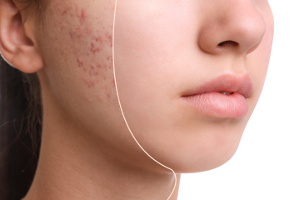 Acne vulgaris, which causes pimples, and hidradenitis suppurativa, which causes painful boils, are common inflammatory skin diseases. Diet plays an important role, and according to a review article published in Nutrients, there is evidence that patients with these skin conditions often lack the trace element zinc and that supplementation with zinc gluconate may have a potential therapeutic role.
Acne (vulgaris) is a common skin condition caused by inflammation of the small sebaceous glands surrounding fine hairs on the face and upper body. Acne can occur in varying degrees of severity, appearing as blackheads, pimples, and deep, boil-like lesions that leave visible scars. Acne is often caused by hormonal changes during puberty, when production of the male sex hormone testosterone increases in both sexes, especially in males. This stimulates the sebaceous glands to produce more sebum, while the ducts of the sebaceous glands narrow at the same time.
Pimples develop because of a skin bacterium (Propionibacterium acnes) that irritates the sebaceous glands, causing the immune system to respond with inflammation. Acne can also occur before menstruation and during pregnancy as a result of hormonal changes.
Hidradenitis suppurativa is an inflammatory skin disease that develops around hair follicles in skin folds. This causes painful boils in the armpits, groin, under the breasts, on the buttocks, or around the genitals. The disease is classified into three stages, ranging from mild boils to extensive interconnected sinus tracts, which are tunnel-like passages beneath the skin.
Acne and hidradenitis suppurativa are treated, among other things, with antibiotics, hormone therapies, retinoids (vitamin A derivatives), and surgery. However, these treatments, which are often inadequate and associated with side effects, do not target the underlying hormonal and immunological imbalances.
Because diet and lifestyle play an important role, the new review article aimed to investigate the role of zinc in greater detail, as this trace mineral is essential for skin health in several respects. In this updated review article, the researchers examine a wide range of published studies, which can be summarized as follows:
- Zinc is involved in more than 300 enzymatic processes and more than 2,000 transcription factors, which play a role in activating or suppressing specific genes.
- Zinc is important for skin structure.
- Zinc is important for both the innate and adaptive immune systems, which must combat infectious agents from outside the body as well as potentially harmful bacteria from the body's own microflora.
- Zinc plays a role in regulating the inflammatory processes of the immune system.
- Zinc is involved in the conversion of the male sex hormone testosterone into dihydrotestosterone, which may help correct hormonal imbalances.
- Zinc is a component of important antioxidants that, among other things, counteract local skin damage caused by free radicals and oxidative stress.
- Zinc is involved in wound healing and the repair of damaged tissue, helping to prevent visible scarring.
- Zinc deficiency is common in people who suffer from acne or hidradenitis suppurativa.
- Zinc supplements have been used to treat acne since the 1970s.
- More recent studies reveal that zinc supplements may also have a potential therapeutic role in hidradenitis suppurativa.
- In the studies, zinc was administered primarily as zinc gluconate, an easily absorbed organic form of zinc, at doses ranging from 30 to 135 mg daily for up to three months.
- In most studies, zinc supplementation was given alongside other conventional treatments.
- In one study of hidradenitis suppurativa, participants also received 30 mg of vitamin B3 (nicotinamide) daily, which provided additional improvements in the occurrence of boils and quality of life.
The researchers therefore conclude that zinc supplements, particularly in the form of zinc gluconate, may have a potential complementary therapeutic role in both acne vulgaris and hidradenitis suppurativa. Zinc supplementation may also be relevant when conventional treatments, such as antibiotics, are associated with too many side effects. In addition, zinc supplementation is a safe, inexpensive, and convenient therapy.
For reference, the recommended daily intake is normally 10 mg, and the upper daily limit is set at 25–40 mg per day. However, as the studies show, higher therapeutic doses can be administered as a course of treatment for several months. Taking higher doses of zinc over a longer period may, however, reduce the absorption and utilization of iron and copper.
The role of vitamins and omega-3 fatty acids in skin care and skin diseases
The skin, our largest organ, needs to be supplied with fluids and various nutrients to support its structure, cellular functions, and immune system. Otherwise, the risk of dry skin, poor wound healing, skin infections, and various inflammatory skin diseases increases.
In the following article, you can learn more about how skin diseases may also be caused by deficiencies in vitamins A, C, E, and D, as well as biotin and omega-3 fatty acids.
• Skin disorders and premature wrinkles are often caused by a lack of nutrients
References:
Sabrina Spiniello et al. Oral Zinc Supplementation in Acne Vulgaris and Hidradenitis suppurativa: An Updated Comprehensive Review. Nutrients 2026
TIP! See also the related articles
Search for more information...

- Created on .