


Can B vitamins, zinc, and chromium counteract eating disturbances
- plus loss of smell and taste?
 The rate of eating disturbances among children, teenagers, and adults has increased in the past year. Health authorities typically focus on cultural and psychosocial causes and therapies, but the treatments often drag out and are inadequate. What is equally important is to look at whether the patients lack essential nutrients that are important for the brain, the nervous system, the appetite, and the sense of smell and taste. Clinical research from the past decades has shown that anorexia and bulimia in particular can often be treated with zinc and various other nutrients, while chromium is important for maintaining stable blood sugar. The use of the right supplements combined with different therapy forms may therefore be the right way to obtain permanent results.
- Created on .
 Kidney stones can be extremely painful, and there is a rather large risk that they reoccur at a later time. What you eat means a lot and your diet is therefore an important key to prevention. It is important to get plenty of
  Older people with a high intake of
  Chronic low-grade inflammation has a negative effect on our health. It pummels the body with free radical damage to healthy cells and tissue. Chronic low-grade inflammation is linked to ageing, overweight, type 2 diabetes, cardiovascular disease, and other health problems. In the case of infections, there is also a risk that the immune defense overreacts with hyperinflammation, which can turn out to be very problematic. Now, science has discovered that our gut flora also affects the immune system. Some gut bacteria have a pro-inflammatory effect, while others help fight inflammation. Fish oil’s anti-inflammatory effect involves other mechanisms. Supplements of beneficial gut bacteria, better known as probiotics, and fish oil supplements help increase gut flora diversity. This is good for fighting inflammation, according to a new study published in Nutrients. Another thing to make sure of is to get enough vitamin D.
 A large Israeli population study of over 4.6 million people shows that lack of sunshine and
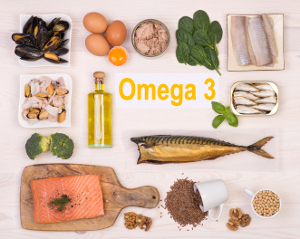 The number of seniors in the world is growing steadily which means a surge in problems like cardiovascular disease, cancer, respiratory illnesses, overweight, diabetes, rheumatism, dementia, and Alzheimer’s disease. These diseases that have a widespread impact on human lives and are a burden to society are often linked to chronic inflammation. A group of scientists therefore decided to look closer at studies that have found a positive effect of the omega-3 fatty acids EPA and DHA on cognitive functioning, maintenance of muscle mass, and prevention and treatment of a host of serious diseases that are related to ageing. It is vital to start supplementing early and to take the right doses, according to the new review article published in Nutrients.
 Periodontal is the leading global cause of tooth loss. It is a problem to prevent and to treat this condition because large population groups are neither able to nor used to taking proper care of their teeth and because it is expensive to see a dentist. A group of Australian scientists have decided to take a closer look at vitamin C’s role in dental health and determine how important it is to get enough vitamin C from the diet and from supplements. Another substance is important for preventing periodontal disease. You can read more about that in the article.
 An abundance of international science links widespread vitamin D deficiency to impaired immune defense, a problem that has contributed to new COVID-19 waves and tends to make the infections life-threatening. The British government has therefore decided to give free vitamin D supplements to 2.2 million seniors, nursing home residents, chronically ill, and other vulnerable people to help combat COVID-19. The whole purpose of this is to slow down the epidemic and put an end to the numerous shutdowns of society, according to an article in the Daily Mail.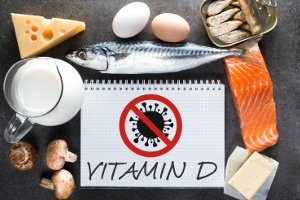
 Around one billion people worldwide are believed to lack
  Health authorities worldwide recommend supplements of