Selenium is an essential trace element that supports a host of different proteins and antioxidants that are important for pregnancy. According to a new Norwegian population study that is published in the science journal Nutrients, lack of selenium during pregnancy may stunt the growth of the fetus and result in low birth weight. This may have consequences for the child’s growth, cognitive skills, and health. Selenium deficiencies are rather common in Norway and the rest of Europe and that is a problem.
- and an alarming need to establish responsibility
Vitamin D deficiency is a widespread problem, which increases the risk of complicated COVID-19 infections, muscle weakness, cancer, and a lot of other problems. The Danish Veterinary and Food Administration now recommends that both children and adults take vitamin D supplements throughout the entire winter period and that particularly vulnerable groups take high-dosed vitamin D supplements all year round. However, the new recommendations have not yet been included in the Danish Health Authority’s awareness campaigns for fighting COVID-19 because vitamin D appears to have ended up in a legal gap between being a foodstuff on one side and medicine on the other. According to a British study that was published earlier, there is currently an alarming need to establish responsibility in order to make sure that nursing home residents and other exposed groups get their vitamin D supplements, just like they receive their prescription medicine.
If you lose your sense of smell all of a sudden, it is most likely a sign that you have been infected with the coronavirus, according two large, international studies published in the science journal Chemical Senses. Many COVID-19 patients also lose their sense of taste and even if there are no other complications, it can affect their quality of life. The big question is if there is a link between zinc deficiency, corona infection, and these symptoms. It is already an established fact that zinc is important for our immune defense, for our sense of taste and smell, and as an antioxidant that protects our cells. Also, it is known that zinc deficiencies are rather common and people with unhealthy eating habits, vegetarians, vegans, older people, and diabetics are at increased risk. Birth control pills and certain types of medicine also increase the risk of lacking zinc.
More and more people in the Western world shift to a plant-based diet but may find themselves challenged when it comes to getting enough of certain essential nutrients. A new German study shows that most vegetarians and vegans get enough vitamin B12, provided they take supplements. However, many lack iodine and iron. Also, plant-based diet fails to deliver enough vitamin D, and many lack selenium due to the nutrient-depleted farmland. A lot of deficiency diseases are insidious, which makes it difficult to link them to the diet. It is therefore a good idea for children and adults who are vegetarians or vegans to take relevant supplements.
Overweight people often suffer from prediabetes, also known as metabolic syndrome, which is a condition characterized by blood sugar disturbances and cravings that make it difficult to maintain stable body weight. In addition, many people with this condition have low levels of chromium in their blood, which can contribute to insulin resistance, abdominal obesity, elevated cholesterol levels, and hypertension – all of which are emblematic of metabolic syndrome, according to a Chinese study published in Nutrition Journal. Earlier studies also suggest that supplementation with chromium yeast may help control blood sugar levels. Another thing that is useful when regulating blood sugar levels to obtain weight loss is to adjust your intake of carbohydrate, fat, and protein in order to optimize the energy utilization.
Vitamin B6 is important for energy levels, the nervous system, our mood, our immune system, our hormone balance, and a number of other functions. This vitamin is of vital importance to our physical and mental well-being but a variety of factors may lead to a deficiency. This article will provide you with information about vitamin B6 and the 11 different symptoms that a deficiency may cause.
It is already known that severely affected corona patients often lack vitamin D and selenium, both of which are nutrients that are important for the immune system. A team of Danish scientists has now confirmed a Dutch study showing that lack of vitamin K is also widespread among patients with severe cases of the coronavirus. Vitamin K is mainly found in dark, leafy greens. In the body, the nutrient occurs as vitamin K1 and vitamin K2 and they have different functions. Lack of vitamin K or poor utilization of the nutrient may be a result of a poor diet or using certain types of medicine. Although there is no evidence that vitamin K can prevent or mitigate corona infections, the scientists present several interesting hypotheses.
Heart failure affects millions of people worldwide and many die within the first year of being hospitalized with acute heart failure. However, eating a diet that is rich in the omega-3 fatty acid EPA from oily fish and ALA from plant foods such as walnuts is linked to a lower risk of blood clots and early death, according to a new study that is published in Journal of the American College of Cardiology. You can also read more about another compound that improves cardiac function and survival after acute heart failure.
Loss of muscle mass may be a result of a number of factors such as lack of exercise, too little protein, and ageing. Insulin resistance and acid accumulation are also related to loss of muscle mass, and it looks as if increased intake of vegetables with potassium, a base-forming mineral, is linked to decreased loss of muscle mass in men – but not in women.
When it comes to battling COVID-19, the main focus is on hygiene, face masks, lockdown, and delayed vaccines. For several months, scientists have urged people to take vitamin D supplements during the winter period as a way of preventing new waves of COVID-19. This is because vitamin D is of vital importance for a well-functioning immune system and it is known that deficiencies of this nutrient contribute to the spread of seasonal virus infections. We also see that groups of people that are most likely to be vitamin D-deficient – including seniors, nursing home residents, people with dark skin, overweight individuals, diabetics, and those with chronic diseases – are most vulnerable towards COVID-19. The British government is already handing out vitamin D supplements to exposed groups, according to an article in Daily Mail and a review article that is published in British Medical Journal. But why is vitamin D so important for the immune defense, why are some people more likely to become deficient, and how much vitamin D do we actually need? Also, will vaccines cut the mustard if COVID-19 mutates?
Migraine is a chronic neurological disorder that can ruin your quality of life and cost you many sick days. Migraine medicine does not necessarily work for all patients and many people get side effects. Therefore, prevention is a better strategy. According to a new study published in Nutrition Journal, zinc supplements have the potential to significantly reduce the frequency of migraine headaches. You can also read about two other nutrients that reduce the frequency and severity of migraine attacks and what it is that triggers them. The most important thing is to find and address the different causes. Diet and lifestyle have a profound impact.
Vitamin D plays an overlooked role in the immune defense. Being deficient of the nutrient increases your risk of bacterial pneumonia by up to 60 percent, according to a large Danish study of 116,000 participants that was carried out by scientists from Herlev Hospital, Gentofte Hospital, and the University of Copenhagen. Because many older people, cancer patients, and other chronically ill individuals are at increased risk of respiratory infections and because bacterial pneumonia can be potentially lethal, the scientists see a huge potential in using vitamin D supplements to prevent the disease.
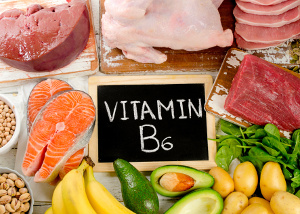
Pancreatic cancer remains one of the deadliest cancers even with improved therapies. Because many people are diagnosed too late and the prognoses are generally poor it is essential to focus a lot more on prevention for instance by striving to maintain normal weight and avoiding smoking. According to a new meta-analysis published in Nutrition Journal, it appears that large quantities of vitamin B6 from diet or supplements have the potential to lower the risk of pancreatic cancer. Earlier studies have also shown that vitamin B6 lowers the risk of bowel cancer.


 Selenium is an essential trace element that supports a host of different proteins and antioxidants that are important for pregnancy. According to a new Norwegian population study that is published in the science journal Nutrients, lack of selenium during pregnancy may stunt the growth of the fetus and result in low birth weight. This may have consequences for the child’s growth, cognitive skills, and health. Selenium deficiencies are rather common in Norway and the rest of Europe and that is a problem.
 If you lose your sense of smell all of a sudden, it is most likely a sign that you have been infected with the coronavirus, according two large, international studies published in the science journal Chemical Senses. Many COVID-19 patients also lose their sense of taste and even if there are no other complications, it can affect their quality of life. The big question is if there is a link between
  More and more people in the Western world shift to a plant-based diet but may find themselves challenged when it comes to getting enough of certain essential nutrients. A new German study shows that most vegetarians and vegans get enough
  Overweight people often suffer from prediabetes, also known as metabolic syndrome, which is a condition characterized by blood sugar disturbances and cravings that make it difficult to maintain stable body weight. In addition, many people with this condition have low levels of
 It is already known that severely affected corona patients often lack vitamin D and selenium, both of which are nutrients that are important for the immune system. A team of Danish scientists has now confirmed a Dutch study showing that lack of vitamin K is also widespread among patients with severe cases of the coronavirus. Vitamin K is mainly found in dark, leafy greens. In the body, the nutrient occurs as vitamin K1 and vitamin K2 and they have different functions. Lack of vitamin K or poor utilization of the nutrient may be a result of a poor diet or using certain types of medicine. Although there is no evidence that vitamin K can prevent or mitigate corona infections, the scientists present several interesting hypotheses.
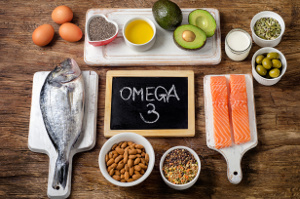 Heart failure affects millions of people worldwide and many die within the first year of being hospitalized with acute heart failure. However, eating a diet that is rich in the omega-3 fatty acid EPA from oily fish and ALA from plant foods such as walnuts is linked to a lower risk of blood clots and early death, according to a new study that is published in Journal of the American College of Cardiology. You can also read more about another compound that improves cardiac function and survival after acute heart failure.
 Loss of muscle mass may be a result of a number of factors such as lack of exercise, too little protein, and ageing. Insulin resistance and acid accumulation are also related to loss of muscle mass, and it looks as if increased intake of vegetables with
  When it comes to battling COVID-19, the main focus is on hygiene, face masks, lockdown, and delayed vaccines. For several months, scientists have urged people to take
  Migraine is a chronic neurological disorder that can ruin your quality of life and cost you many sick days. Migraine medicine does not necessarily work for all patients and many people get side effects. Therefore, prevention is a better strategy. According to a new study published in Nutrition Journal, zinc supplements have the potential to significantly reduce the frequency of migraine headaches. You can also read about two other nutrients that reduce the frequency and severity of migraine attacks and what it is that triggers them. The most important thing is to find and address the different causes. Diet and lifestyle have a profound impact.
 Pancreatic cancer remains one of the deadliest cancers even with improved therapies. Because many people are diagnosed too late and the prognoses are generally poor it is essential to focus a lot more on prevention for instance by striving to maintain normal weight and avoiding smoking. According to a new meta-analysis published in Nutrition Journal, it appears that large quantities of