 Cardiovascular disease remains the leading cause of death among kidney patients receiving dialysis, and effective prevention has been lacking. However, it now appears that higher intake of fish oil may reduce the risk of heart attack and stroke by as much as 43%. This is shown in a large placebo-controlled population study published in the New England Journal of Medicine. The researchers note that fish oil also benefits the cardiovascular system in the general population, and that it is especially the omega-3 forms EPA and DHA from fatty fish that have the beneficial effect.
 Kidney stones is a painful and quite common problem. The diet plays a major role and according to a large American population study published in Nutrients, selenium may help prevent the condition. The authors mention that selenium-containing proteins and antioxidants have preventative mechanisms and due to the widespread problems with selenium-depleted farmland, they say that selenium supplementation may be a good way to prevent and manage kidney stones and other pathological changes.
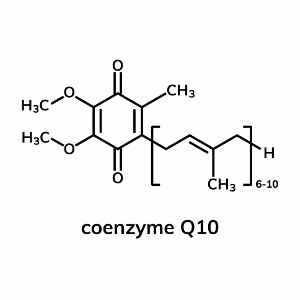 Primary Q10 deficiency is a rare dysfunction where the body’s missing ability to synthesize Q10 can lead to a rare type of nephrotic disease that cannot be treated with medicine. According to a new study that is published in Kidney International, however, it appears that Q10 supplementation can reduce the kidneys’ protein excretion, protect renal function, and lower mortality. Based on their findings, the scientists conclude that all patients with primary Q10 deficiency should ideally receive early and life-long Q10 therapy in order to prevent the disease from progressing and to avoid future organ damage.
 Patients with chronic kidney disease (CKD) have an increased risk of both vitamin D deficiency and developing depression. According to a population study published in Frontiers in Nutrition, maintaining optimal vitamin D levels in the blood may reduce the risk of severe depression in these patients.
 Stroke remains the leading cause of death worldwide. Acute kidney injury is also a common complication that increases the risk of prolonged hospitalization and death. Previous studies have shown that vitamin D deficiency increases the risk of stroke, and it also appears that vitamin D deficiency raises the risk of acute kidney injury and early death following a stroke. This is highlighted in a new study published in Frontiers in Nutrition.


