 Autism is a complex disorder that occurs in varying degrees. It is believed to result from alterations in brain development. There are several contributory factors, including nutrient deficiencies and exposure to environmental toxins during pregnancy and early childhood. Blood samples from children with autism have revealed lower levels of selenium and zinc compared with healthy children, along with higher levels of aluminum - a metal regarded as a neurotoxin. This was demonstrated in a study published in Biological Trace Element Research. The combination of low levels of these two essential trace elements and widespread aluminum exposure may be a harmful mix that damages the brain and nervous system.
 The number of older people is constantly increasing, and more and more people suffer from Alzheimer’s disease and other types of dementia. Apparently, seniors who take a daily multivitamin can improve their memory and slow down their cognitive decline, according to a meta-analysis that is published in Journal of Clinical Nutrition. Older people generally have increased need for certain vitamins and minerals because of poor nutrient absorption in the digestive system, impaired enzyme functions, oxidative stress, and regular use of medical drugs that can interact with the nutrients. But how do different vitamins and minerals affect brain health?
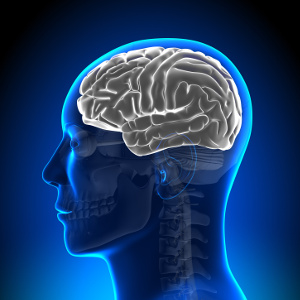 It is commonly known that oily fish and fish oil supplements contain the two omega-3 fatty acids EPA and DHA that are good for the brain. Now, scientists from Singapore have discovered a special omega-3 fatty acid that is of particular importance to brain cells that are surrounded by a protective myeline sheath. The scientists say that their discovery may help prevent brain ageing and lead to the development of new therapies aimed at treating neurological disorders like sclerosis that are associated with myelin damage. Their new study is published in Journal of Clinical Investigation and it appears that fish roe is the best source of these special omega-3 fatty acids that are needed to stimulate the myeline sheath.
 During fetal development and childhood, the brain requires a range of nutrients to build the nervous system and support cognitive development. According to a new review article published in Nutrients, widespread deficiencies in vitamins C, D, and A, as well as iron, iodine, selenium, zinc, and other nutrients, may contribute to the development of autism.
 The B vitamin biotin reduces neurological brain damage that is caused by manganese and resembles Parkinson’s disease. Although manganese is an essential mineral, excessive intake can act as a neurotoxin. However, according to a study published in Science Signaling, biotin appears to have a therapeutic effect on Parkinson-like symptoms by promoting the production of the neurotransmitter dopamine, which is important for the nervous system and mood.
 Vitamin B12 is crucial for the nervous system and the formation of blood cells. However, the official recommendations (RI) are apparently set too low when it comes to protecting the aging brain. This is shown by an American population study, published in the Annals of Neurology, in which researchers found that older adults with "normal" but lower levels of vitamin B12 show signs of slower thinking and delayed responses to visual impressions.
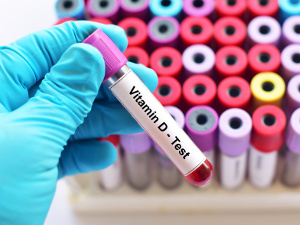 According to a British population study, this seems to be the case. At the same time, it’s alarming that vitamin D deficiency is such a widespread problem and that Alzheimer’s disease and other typers of dementia are on the rise, because there is most likely a connection. How does vitamin D affect brain health, and how much vitamin D do we need to help nerve cells and cells in general function optimally?
 Everyone is affected by electromagnetic radiation from cell phones, device screens, the electricity supply and other electric systems. The brain’s neurons are particularly vulnerable, especially because electromagnetic radiation can increase the neuronal uptake of calcium ions, which makes the neurons overactive and may even cause them to perish. A study published in News Medical Life Sciences shows that too much calcium in the brain increases the risk of Alzheimer’s disease and digital dementia in young individuals. The increased electromagnetic radiation also generates loads of free radicals in the body that can cause oxidative stress and cellular damage because it outperforms the body’s different antioxidants. This was described in an article published in The Journal of Microscopy & Ultrastructure that also mentions how electromagnetic radiation can cause stress, headaches, fatigue, anxiety, and other symptoms.
 Nutrients in the diet play an important role in energy levels and mental health. For example, chromium and selenium have a beneficial influence on blood sugar, the nervous system, and inflammatory processes, which are linked to fatigue, mood swings, psychiatric disorders, and poorer prognoses. This is highlighted in a review article published in the Journal of Clinical Psychopharmacology. According to the researchers, supplementation with chromium and selenium therefore has a potential role in the prevention and treatment of various mental disorders.
 Although depression can have many different causes, new research suggests that CoQ10 supplementation may help alleviate symptoms when used alongside standard treatment. This is highlighted in a recent meta-analysis published in the Journal of Clinical Psychopharmacology. The authors describe how CoQ10 plays a dual role: it is essential for cellular energy production and also functions as a powerful antioxidant that protects nerve cells and other tissues from damage caused by oxidative stress. It is important to choose a CoQ10 supplement of documented quality with high bioavailability.
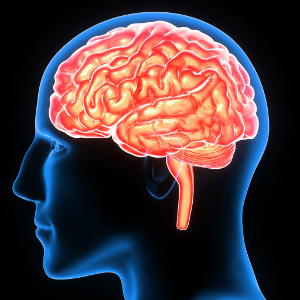 Fish oil contains EPA and DHA, two omega-3 fatty acids with a number of different functions in the brain and nervous system. It appears that middle-aged people who consume more oily fish or who take fish oil supplements have improvements in their brain structure and cognitive skills. This was shown in a study that is published in Neurology. The study results are quite interesting because cognitive decline and dementia are increasing problems that affect millions of people worldwide. The study supports previous research where it was seen that having higher concentrations of DHA in the red blood cell can reduce the risk of Alzheimer’s disease by 50 percent.
 An increasing number of people are being diagnosed with ADHD, which affects neurological development, learning, and social interactions. There is growing evidence that the brain and nervous system often lack nutrients that are necessary for several vital functions, or that they are exposed to harmful substances. A review article published in Cureus shows that supplements of vitamin D, magnesium, and fish oil can improve symptoms.
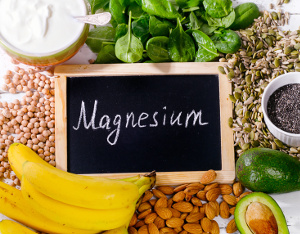 The number of older people is on the rise, and so is the number of people who suffer from dementia and die as a result of this condition. If you increase your dietary intake of magnesium, however, and get more than what is officially recommended, it helps keep your brain sharp and prevents dementia, according to a large population study that is published in European Journal of Nutrition. Many older people don’t eat enough and even take different kinds of medicine that block the body’s uptake and utilization of magnesium. So, how does magnesium affect the brain and nervous system? And how much do we need to stay mentally alert throughout life? Those are the questions.
 Ageing is characterized by increased physical and mental frailty that reduces one’s ability to deal with various external stress factors. Omega-3 fatty acids that are found in oily fish and fish oil supplements are believed to prevent frailty through their immune-regulating and anti-inflammatory properties, but studies have shown conflicting results. Nonetheless, daily intake of two grams of omega-3 appears to reduce frailty. According to a large population study that is published in Frontiers in Nutrition, it is also important to include moderate quantities of high-quality omega-6.
 The two omega-3 fatty acids, EPA and DHA, are of vital importance to the development of a baby’s brain and central nervous system during pregnancy and the first years of life. The best sources of these fatty acids are oily fish and fish oil supplements. There is widespread deficiency of these fatty acids, which increases the risk of a lower IQ, ADHD, depression, or other neurological disturbances in the baby, according to a review article published in Nutrients. It is also important for brain health to balance one’s intake of omega-3 and omega-6.
 Q10 is a unique molecule that is involved both in the cells’ energy metabolism and in protecting cells against damage caused by oxidative stress. This means that the busy brain and vulnerable nerve cells require a fair amount of Q10. However, the body’s own synthesis of Q10 gradually declines with age and with the intake of cholesterol-lowering statins. According to a review article published in Nutrients, Q10 supplementation appears to improve brain health and cognitive abilities. One should choose pharmaceutical-grade Q10 supplements to ensure good bioavailability, so that the Q10 molecules reach the brain and other organs.
 Red meat (from four-legged animals) contains complete proteins, vitamin B12, iron, zinc, selenium, choline, and other nutrients that can be difficult to obtain in sufficient amounts from a plant-based diet. According to a population-based study published in Scientific Reports, red meat plays a role in supporting brain health and preventing depression.
- by way of different mechanisms
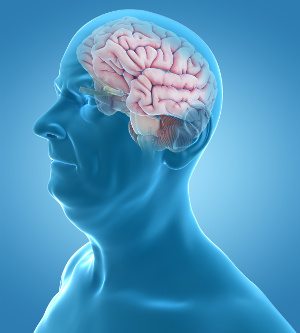 There seems to be a relation between ageing, Alzheimer’s disease, and the widespread problems with selenium deficiency. According to a new study that is published in Antioxidants, scientist have revealed how different selenium-containing proteins can affect pathological processes in the brain that are known to cause Alzheimer’s disease. They believe selenium may have therapeutical potential in the treatment of this disease, which is one of the greatest disease burdens and a leading cause of death among seniors. Selenium also helps in the prevention of the disease, which is extremely important because it is often difficult to diagnose Alzheimer’s disease in its early stages.
 Glioblastoma is a the most common type of brain tumor and is very aggressive. Existing therapies are not all that effective and most people die within a few years after being diagnosed with the disease. It is essential to have more focus on prevention, and diet plays a major role. According to a Chinese population study, vitamins B1, B2, B2, and B9 (folic acid) are associated with a reduced risk of developing glioblastoma. The scientists mention the different B vitamins and their role in brain health and cancer prevention and stress the importance of knowing about the factors that inhibit the body’s uptake and utilization of these vitamins.
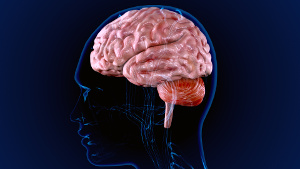 Brain cancer is associated with physical and cognitive disruptions, and many patients die within a few years. Compared with other cancers, the development of brain cancer is more complex and there has been focus on underlying causes such as head traumas, allergies, and electromagnetic radiation from cell phones, transmission towers, etc. Scientists have also looked at vitamins and brain health, whereas minerals have been ignored. Now, a team of Chinese scientists have conducted a large population study and found that higher intake of calcium, magnesium, iron, zinc, and copper is linked to a reduced risk of different types of brain cancer (gliomas). Apparently, selenium also has a protective effect.
 Higher levels of vitamin C in the blood and brain are associated with healthier brain structure and stronger brain networks in older adults. This is according to a large Japanese population study published in PLOS One. The researchers also found that people with lower levels of vitamin C in their blood tended to have less gray matter in the brain and weaker connections in brain networks associated with memory, attention, and other cognitive functions. So why does vitamin C have such an important role in brain health, and how can you get enough?
 Vitamin C plays a role in connective tissue, the immune system, the brain, hormone balance, the circulatory system, and iron absorption. In addition, it functions as a unique antioxidant that protects cells and tissues from damage caused by oxidative stress. Official recommendations have primarily focused on preventing the classical deficiency disease scurvy, but evidence suggests that even mild deficiencies make the body more vulnerable. In a review article published in Molecules, the authors examined vitamin C’s therapeutic role in supporting quality of life and in the prevention of infections and various chronic diseases such as atherosclerosis, diabetes, and cancer.
 Schizophrenia is known to impair quality of life and reduce life expectancy. Diet, lack of nutrients, and digestion are all important for the progression of the disease, according to an Iranian study of schizophrenics who were given supplements of vitamin D plus lactic acid bacteria and bifidobacteria. The study is published in Neuropsychopharmacology Reports and reveals that these supplements were able to significantly improve the cognitive skills of the patients. The researchers also mention that these supplements have a role in regulating the body’s production of dopamine, controlling inflammatory processes, and controlling the gut-brain-axis that is important for the communication between the gut and the brain.
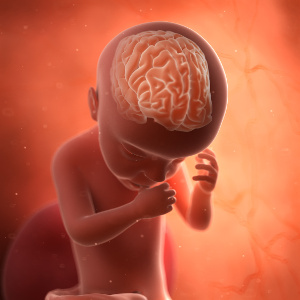 During pregnancy, vitamin D plays an important role in the bone development of the unborn child, in the brain, and in other functions. Maternal lack of vitamin D during pregnancy may therefore have serious consequences for the fetus and its development. This also goes for the development of neurons in the dopamine-producing area of the brain, which can most likely result in dysfunctions of the dopamine balance, a problem that is seen in young individuals and adults with schizophrenia. This was demonstrated in a new study that is published in Journal of Neurochemistry. The study supports an earlier review article where it was seen that early stages of psychotic disorders like schizophrenia are linked to severe deficiencies of vitamin D and other nutrients with vital importance to brain health, especially during pregnancy.
 Stroke remains the leading cause of death worldwide. Acute kidney injury is also a common complication that increases the risk of prolonged hospitalization and death. Previous studies have shown that vitamin D deficiency increases the risk of stroke, and it also appears that vitamin D deficiency raises the risk of acute kidney injury and early death following a stroke. This is highlighted in a new study published in Frontiers in Nutrition.
 Depression affects more and more people and causes symptoms such as chronic low mood, fatigue, and sleep disturbances. The risk increases during the winter months, and untreated depression is one of the leading causes of suicide. Since many people experience side effects from antidepressant medication, researchers have begun to focus a lot more on the role of diet. According to a review published in Clinical Nutrition, widespread deficiencies of vitamin D and omega-3 fatty acids increase the risk of depression. In the review, the researchers explain how vitamin D and omega-3 fatty acids affect the nervous system and mood. In addition, both nutrients counteract chronic inflammation in the brain, which in itself increases the risk of depression and other neurological disorders.
 Zinc is involved in several hundred enzymatic processes that are important for cellular signaling, overall health, and the body’s primary antioxidant defenses. Zinc also plays multiple roles in the brain and nervous system. A deficiency of zinc, as well as disturbances in its metabolism, may therefore contribute to the development of Alzheimer’s disease, Parkinson’s disease, multiple sclerosis, and other neurodegenerative disorders. In addition, there is evidence that zinc supplementation has therapeutic potential, including the protection of nerve cells and the regeneration of damaged neurons. This is highlighted in a review article published in Molecular Neurobiology.
 We have relatively large quantities of zinc in our central nervous system where it plays a vital role in various physiological and pathological processes. Zinc is also important for brain development, various gene activities, the formation of new neurons, and the immune defense. What is more, zinc is a vital antioxidant that protects the brain against calcification and cell damage caused by oxidative stress. Zinc deficiency is a global problem and may be involved in a number of different neurological diseases – including stroke, cognitive impairment, Alzheimer’s disease, and depression, according to a new review article that is published in Biomolecules.


