 Most people are unaware of vitamin C’s key role in mental health and mood. According to a large population study that is published in Frontiers in Nutrition, having higher levels of vitamin C in the blood is linked to a lower risk of depression. The official dietary recommendations for vitamin C only focus on preventing the potentially lethal deficiency disease called scurvy, and things like stress, ageing, stimulant use, overweight, infections, and chronic illnesses can increase your need for the nutrient.
 A plant-based diet often lacks important amino acids, vitamins, minerals, and fatty acids. A large population study published in Food Frontiers shows that vegetarians who consume plant-based meat substitutes have a 42 percent higher risk of developing depression. They also have higher blood pressure and a tendency toward chronic inflammation.
 Although health authorities advise against consuming too much salt (sodium), it is still an essential mineral that is crucial for electrolyte and fluid balance. Minor deficiencies can cause symptoms such as fatigue, muscle weakness, dizziness, and headaches. More severe deficiencies can lead to exhaustion, fainting, or other neurological conditions, which in the worst case can be life-threatening. Evidence also suggests that commonly used antidepressant drugs, such as SSRIs and SNRIs, increase the risk of the body lacking this vital mineral. This was shown in a meta-analysis published in BMC Pharmacology and Toxicology. Attention should also be paid to other side effects of antidepressant medication.
 Although depression can have many different causes, new research suggests that CoQ10 supplementation may help alleviate symptoms when used alongside standard treatment. This is highlighted in a recent meta-analysis published in the Journal of Clinical Psychopharmacology. The authors describe how CoQ10 plays a dual role: it is essential for cellular energy production and also functions as a powerful antioxidant that protects nerve cells and other tissues from damage caused by oxidative stress. It is important to choose a CoQ10 supplement of documented quality with high bioavailability.
 Depression is often caused by brain inflammation, and it looks as if high-dosed supplementation with EPA, a type of omega-3 fatty acids found in fish oil, may help as it reduces depression in patients with elevated inflammation markers in the blood. This was shown in a study that is published in The Journal of Clinical Psychiatry.
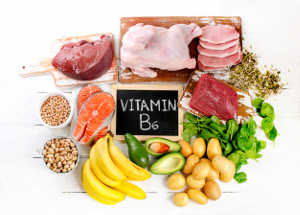 Several studies have revealed that B vitamins strengthen the nervous system and reduce symptoms of stress. However, very few studies have looked at how the individual B vitamins work. A new placebo-controlled study that is published in the science journal, Human Psychopharmacology, appears to show that high-dosed vitamin B6 boosts the body’s formation of a certain neurotransmitter that blocks the exchange of undesirable impulses between brain cells, and this has a calming effect. In addition, vitamin B6 seems to reduce symptoms of depression.
 Depression is one of the largest health burdens worldwide. Although depression can be caused by a number of different things, a new Taiwanese study published in Nutrients suggests that having high blood levels of magnesium is linked to fewer signs of depression. The scientists describe how magnesium supports different enzymatic processes that are involved in the nervous system, the hormone system, and in brain receptors with a key role in depression. Unfortunately, there are things that deplete our magnesium levels such as stress, poor diets, and the use of different types of medicine. To make matters worse, having less magnesium impairs our ability to utilize vitamin D that is important for our mood.
 Magnesium is one of the minerals we need in the greatest amounts, as it is incorporated into bones and involved in several hundred enzymatic processes that are essential for overall mental and physical health. Magnesium deficiency is very widespread, and because it cannot be detected using standard blood tests, the problem often goes unnoticed. This is highlighted in a review article in which researchers refer to studies showing that magnesium supplementation may be relevant for depression, insomnia, neuropathy, migraine, diabetes, high blood pressure, and several other conditions.
 After a COVID-19 infection many people experience chronic symptoms such as fatigue, muscle pain, depression, and sleep disturbances. According to a study that is published in Clinical and Experimental Medicine, supplementing with Q10 and alpha-lipoic acid may help against tiredness and certain other symptoms. The authors describe how Q10 and alpha-lipoic acid support the cellular energy turnover in different ways and serve as antioxidants that protect cells against oxidative stress and cellular damage.
 Red meat (from four-legged animals) contains complete proteins, vitamin B12, iron, zinc, selenium, choline, and other nutrients that can be difficult to obtain in sufficient amounts from a plant-based diet. According to a population-based study published in Scientific Reports, red meat plays a role in supporting brain health and preventing depression.
 Several studies have shown a direct link between depression and lack of vitamin D, both of which are common problems. Vitamin D has numerous functions in the brain and nervous system and it helps counteract local inflammation that is often seen in connection with depression. According to a new Finish meta-analysis, high-dosed vitamin D supplementation can even ameliorate symptoms of depression. The question is how to optimize blood levels of the nutrient in order to prevent the disease.
 Patients with chronic kidney disease (CKD) have an increased risk of both vitamin D deficiency and developing depression. According to a population study published in Frontiers in Nutrition, maintaining optimal vitamin D levels in the blood may reduce the risk of severe depression in these patients.
 Make the most of the summer sunshine. Widespread sun avoidance and vitamin D deficiency may have adverse effects on the nervous system and mood. A meta-analysis published in Frontiers in Nutrition suggests that higher-dose vitamin D supplementation can serve as an effective adjunct therapy for improving a range of depressive symptoms.
 Depression affects more and more people and causes symptoms such as chronic low mood, fatigue, and sleep disturbances. The risk increases during the winter months, and untreated depression is one of the leading causes of suicide. Since many people experience side effects from antidepressant medication, researchers have begun to focus a lot more on the role of diet. According to a review published in Clinical Nutrition, widespread deficiencies of vitamin D and omega-3 fatty acids increase the risk of depression. In the review, the researchers explain how vitamin D and omega-3 fatty acids affect the nervous system and mood. In addition, both nutrients counteract chronic inflammation in the brain, which in itself increases the risk of depression and other neurological disorders.
 Depression is a growing global problem. The role of diet is often overlooked, and according to a large U.S. population study published in Frontiers in Nutrition, magnesium deficiency appears to increase the risk. The authors note that magnesium’s antidepressant effect is linked to multiple mechanisms that support the nervous system and mood. Magnesium is also important for digestion and gut microbiota, and disturbances in the gut-brain axis can contribute to depression-like conditions. Magnesium deficiency is widespread due to unbalanced diets and ultra-processed foods. In addition, stress, insulin resistance, excessive calcium intake, and certain medications can increase the body’s requirement for magnesium.


