 The number of older people is constantly increasing, and more and more people suffer from Alzheimer’s disease and other types of dementia. Apparently, seniors who take a daily multivitamin can improve their memory and slow down their cognitive decline, according to a meta-analysis that is published in Journal of Clinical Nutrition. Older people generally have increased need for certain vitamins and minerals because of poor nutrient absorption in the digestive system, impaired enzyme functions, oxidative stress, and regular use of medical drugs that can interact with the nutrients. But how do different vitamins and minerals affect brain health?
 Although the development of Alzheimer’s disease is complex, evidence suggests that vitamin deficiencies play a significant and often overlooked role. This is especially true for vitamin C, which supports neuronal health in multiple ways. Deficiencies in vitamin D, certain B vitamins, vitamin A, and vitamin E also play important roles through various mechanisms. A large meta-analysis comparing vitamin levels in Alzheimer’s patients and healthy individuals found that those with Alzheimer’s had significantly lower levels in the blood.
- with non-alcoholic fatty liver disease
 Weight-challenged children and teenagers have grown to become a global health threat, and the problem became even worse during the corona pandemic. Overweight is linked to a number of health problems, including non-alcoholic fatty liver disease that sets the stage for type 2 diabetes and other serious ailments. In a new review article that is published in Nutrients, researchers look closer at how a carbohydrate-restricted diet or the traditional Mediterranean diet can help to counteract the development of overweight and non-alcoholic fatty liver disease. Also, supplementation with vitamin E, vitamin D, fish oil, and probiotics can block the development of non-alcoholic fatty liver via different metabolic parameters.
 When a woman’s ovaries fail to function normally and menopause occurs before the age of 40, the condition is referred to as premature ovarian insufficiency (POI). The accompanying hormonal imbalances cause symptoms such as menstrual irregularities and infertility. Mood swings, fragile mucous membranes, osteoporosis, and other complications may also occur. According to a review article published in Health Science Reports, widespread deficiencies in vitamin D, vitamin E, and selenium appear to increase the risk of premature ovarian insufficiency, whereas supplementation with these nutrients may improve ovarian function and hormonal balance.
 Vitamins and minerals are crucial for eye health and vision because they are involved in numerous metabolic processes and act as powerful antioxidants that protect the vulnerable eyes and optic nerve from damage caused by free radicals and oxidative stress. Evidence suggests that deficiencies in vitamins A, B, C, and D, as well as minerals such as magnesium, selenium, zinc, and copper increase the risk of dry eyes, cataracts, AMD, optic nerve damage, and other eye diseases. In addition, being overweight can be an additional risk factor for AMD, diabetic retinopathy, and glaucoma, according to a review published in Nutrients. The authors emphasize that early detection of deficiencies and targeted supplementation can prevent or slow the progression of many eye diseases.
 AMD is a common eye disorder that involves symptoms such as blurred central vision and eventual blindness. There are two types of AMD – a wet and a dry form. Neither is curable. However, in a new analysis of data, researchers from the National Institutes of Health (NIH) in the US have found new evidence showing that high-dosed daily supplementation with antioxidants like lutein and zeaxanthin combined with different vitamins and minerals can delay the development of the eye disease and late stages of the dry form of AMD. This could potentially help people with dry AMD maintain part of their central vision. The mentioned antioxidants that are found in eggs and various vegetables may also prevent AMD, altogether.
 There are several possible causes of male impotence, and the risk increases with age. Oxidative stress appears to play a role, as this condition contributes to local atherosclerosis, which restricts blood flow to the penis. However, consuming a variety of antioxidants - such as selenium, zinc, vitamins A, C, and E, as well as various carotenoids - may help reduce the risk of impotence, according to a U.S. population study published in Scientific Reports.
 The condition of our skin means a lot to our appearance and health, and being deficient in one or several nutrients can cause premature skin ageing. Also, things like poor wound healing, acne, herpes infections, yeast infections, eczema, psoriasis, and other skin disorders may occur. In a review article published in Medicina, scientists have looked at the role of vitamins A, C, E, D, and biotin plus omega-3 fatty acids in skin health. Studies suggest that selenium and zinc may also be important for healthy skin and anti-ageing. If you don’t get enough of these nutrients or if you simply have an increased need for them, you may consider taking a supplement.
 Refined foods and poor dietary habits are the reasons why billions of people in the world lack essential nutrients like B vitamins, vitamin C, vitamin E, calcium, magnesium, iodine, iron, selenium and zinc. This catastrophic nutrient crisis, which even affects people in the western world, contributes to infections and pandemics, impaired fertility, poor quality of life, chronic diseases, and early death, according to a study that is published in The Lancet Global Health. The study authors call their results very alarming and believe that it is necessary for health authorities to take action now to improve public health. There is also a problem with lack of vitamin D and omega-3 fatty acids, even though they were not included in the study.
 Many skin disorders, such as acne, atopic dermatitis (eczema), and psoriasis, are linked to flaws in the skin’s natural barrier and an immune system that is either too weak or overreacts with chronic inflammation. The skin’s natural microflora may also be out of balance. In this context, various vitamins play important roles in supporting skin health due to their regenerative, immune-stimulating, anti-inflammatory, antibiotic, and antioxidant properties that help protect the skin against damage. In a new review article published in The Microbe, the authors explore how different vitamins (A, B1, B2, B3, B12, C, D, and E) contribute to skin health, immune function, and the management of skin conditions.
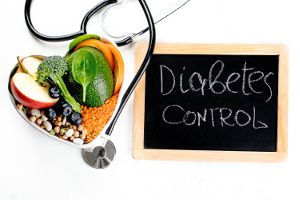 Type 2 diabetes is spreading like a bushfire and is the major cause of vision loss, kidney failure, heart attacks, strokes, and leg amputations. Many people have insulin resistance, the early stage of type diabetes that is associated with fatigue, untimely hunger, and increasing weight. The diet plays a major role and according to a new review article that is published in Human Nutrition and Metabolism, various B vitamins, vitamin D, vitamin K, vitamin E, and zinc influence insulin resistance and diabetes treatment. Previous research has also shown that chromium and magnesium play a role in insulin resistance and blood sugar regulation.
 Traditional Christmas foods such as eggs, butter, and other fatty animal products contain cholesterol and are often criticized for the same reason. The fact is, however, that the body produces most of its own cholesterol as needed, since this vital substance is part of all cell membranes and is required for the synthesis of sex hormones, stress hormones, vitamin D, vitamin K2, and Q10. It is therefore important to realize that cholesterol only becomes dangerous to the cardiovascular system when it oxidizes and is damaged by free radicals and oxidative stress. Meanwhile, evidence suggests that vitamin E may improve cholesterol balance, circulation, and the gut microbiome. According to a recent study published in Nutrition, Metabolism and Cardiovascular Diseases, these are areas that are closely connected. When it comes to maintaining the cardiovascular system and other tissues, it is essential to obtain sufficient antioxidants such as vitamins E, C, and A, as well as selenium, zinc, and other sources - not just during the Christmas season but all year round.


