 Asthma is characterized by chronic inflammation and oxidative stress. Smoking, air pollution, heavy metals, and various environmental allergens also increase the risk. However, it appears that an optimal level of selenium and manganesein the blood can potentially improve health and survival in asthma patients. This is partly because selenium and manganese function as antioxidants that counteract oxidative stress and chronic inflammation. At the same time, selenium helps eliminate heavy metals, according to a study published in Scientific Reports.
 Diet, smoking, and aging processes increase the risk of developing chronic obstructive pulmonary disease (COPD), a condition that causes millions of deaths worldwide. According to a meta-analysis published in Nutrients, vitamin D supplementation seems to improve lung function.
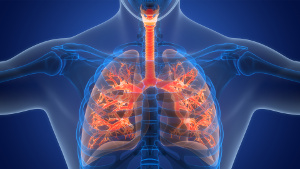 Lung fibrosis is a condition characterized by accelerating scarring of lung tissue, which impairs breathing, reduces the oxygen level in the blood, and lowers the cellular energy turnover. Some types of lung fibrosis are very aggressive and there is currently no cure. Healthy omega-3 fatty acids from oily fish and fish oil supplements may delay the progression of the disease and postpone the immediate need for lung transplants, according to a study that is published in the journal CHEST.
 Obesity is an increasing health problem, which also raises the risk of asthma. In addition, it can be challenging to treat overweight asthma patients with conventional therapies, and that increases the risk of hospitalization. According to a population study published in Respiratory Medicine, omega-3 fatty acids - primarily found in fatty fish and fish oil supplements - may have a positive effect on conventional asthma therapies. The researchers believe this is due to the two biologically active forms of omega-3 in fish oil, EPA and DHA, which help regulate inflammation and other metabolic processes.
 Asthma is one of the most common chronic diseases, and diet and lifestyle play an important role in its increasing prevalence. Evidence also suggests that the widespread deficiency of vitamin D increases the risk of developing asthma during childhood and adolescence and is associated with more severe symptoms, according to a meta-analysis published in Pediatric Pulmonology.
 Iron deficiency is a global health problem that increases the risk of respiratory infections, anemia, and other serious diseases. Evidence now suggests that iron deficiency in early childhood may prevent immune cells in the lungs from producing key proteins that are essential for fighting viral infections and establishing immune protection. Notably, this effect appears to persist even after the body’s iron stores have been replenished. As a result, children and adolescents who have experienced iron deficiency may remain more vulnerable to viral infections later in life. These findings come from a new US study conducted at Columbia University Irving Medical Center.
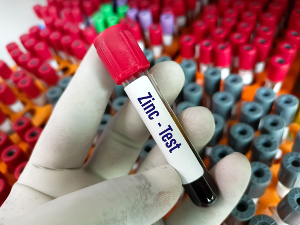 Zinc has many different functions in the immune defense and a zinc deficiency increases the risk of infections and diarrhea, which are global causes of disease and mortality. According to a study published in Physiological Reports, being zinc-deficient can also lead to influenza complications such as bacterial pneumonia that is potentially lethal. The authors assume that zinc plays a key role in the body’s defense against respiratory infections, including COVID-19. They write that factors such as unhealthy diets, ageing, alcoholism, intestinal diseases, and various types of medicine can increase the body’s need for zinc.


