 Herpes simplex virus (HSV) infections are very common. HSV-1 typically causes cold sores on the lips, whereas HSV-2 typically causes painful blisters and sores on the genitals, buttocks, or thighs. HSV is transmitted through direct contact, and after the initial outbreak, the virus remains dormant in nerve cells for the rest of a person's life. However, many people experience recurring outbreaks. In severe cases, serious complications can also occur. A population-based study published in BMC Infectious Diseases suggests, however, that moderate zincintake may have a protective effect.
 Active vitamin protects us against virus infections in a number of different ways. Vitamin D also controls the inflammatory processes and prevents them from becoming complicated. In a review article published in World Journal of Virology, scientists have pored over multiple meta-analyses and placebo-controlled studies that show a clear relation between vitamin D deficiency and an increased risk of respiratory viruses such as COVID-19 and influenza. Being vitamin D-deficient can also increase the risk of these infections turning into SARS (severe acute respiratory syndrome) that can result in potentially life-threatening circulatory failure and organ failure. Apparently, vitamin D plays an important and overlooked role in the prevention of virus infections.
 Young children frequently develop thrush, an infection caused by an overgrowth of the yeast Candida albicans, which is part of the natural microflora. Diet and immune capacity play a major role. Research also indicates that even mild deficiencies of protein, vitamins A and D, as well as iron and zinc, increase the risk of this unpleasant oral infection. These findings are reported in a study published in Nutrients.
 Blood poisoning, also called sepsis, is a life-threatening condition that requires immediate medical attention. A combination of high-dosed, intravenously administered vitamin C may, however, shorten the hospital stay and lower the risk of dying, according to a study that is published in Journal of the American Medical Association. The study supports earlier research where a combination of intravenous vitamin C and vitamin B1 delivered even better results. These are simple and inexpensive therapies that can save lives by supporting the immune system and limiting damage to the cardiovascular system, the lungs, and other tissues.
 Vitamin C has a vital role in our immune defense, and having low blood levels of the nutrient can affect the severity of infections such as COVID-19 and influenza, according to a review article published in Aging and Disease. The scientists behind the study also refer to other studies that have looked at large doses of intravenous vitamin C given to patients with sepsis and life-threatening COVID-19 infections. Vitamin C deficiency is a widespread problem for various reasons and that only adds to the problem.
 Vitamin D plays an overlooked role in the immune defense. Being deficient of the nutrient increases your risk of bacterial pneumonia by up to 60 percent, according to a large Danish study of 116,000 participants that was carried out by scientists from Herlev Hospital, Gentofte Hospital, and the University of Copenhagen.
Because many older people, cancer patients, and other chronically ill individuals are at increased risk of respiratory infections and because bacterial pneumonia can be potentially lethal, the scientists see a huge potential in using vitamin D supplements to prevent the disease.
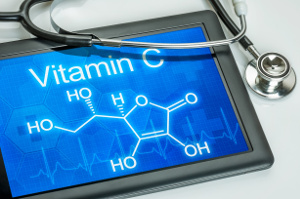 Although the course of disease for most people with COVID-19 is rather mild, the greatest concern is the life-threatening complications in the respiratory tract caused by oxidative stress and cytokine storm where the immune system attacks healthy tissue. Scientists are busy looking for new therapies such as intravenous vitamin C that is about to be tested in a new Chinese placebo-controlled study, according to an article that is published in Critical Care. Several researchers say that vitamin C from dietary sources and supplements has a preventive effect because it strengthens and regulates the immune defense in the respiratory tract. The same is the case with vitamin D and selenium.
 During infections and trauma, the body triggers a series of inflammatory processes, which are also associated with cascades of free radicals and the risk of oxidative stress. In such cases, the trace element seleniumplays a crucial role: partly as a component of the immune system and in regulating inflammatory processes, and partly as a powerful antioxidant that counteracts damage to cells and tissues caused by free radicals. Evidence also suggests that selenium deficiency increases the risk of complications or severe outcomes from influenza, COVID-19, and other infections. The same applies to blood clots and physical trauma. Conversely, early selenium supplementation can reduce complications, shorten hospital stays, and lower overall mortality, as highlighted in a recent review article published in Antioxidants.
– and lack of vitamin D increases the risk
 The minority of people think about the danger of sepsis, which is a serious blood poisoning. However, according to WHO, sepsis is rather common and it is the third leading cause of death, only surpassed by cardiovascular diseases and cancer. According to Ugeskrift for Læger (the journal of the Danish Medical Association), it is a paradox that Denmark has no official registry of the rate and high mortality of sepsis. Also, the risk of getting sepsis and dying of the condition is heavily increased if you lack vitamin D, according to an Iranian study that is published in Archives of Academic Emergency Medicine. We need to focus more on sepsis, including diagnosis, swift treatment, and prevention of this life-threatening disease.
 Vitamin C plays a role in connective tissue, the immune system, the brain, hormone balance, the circulatory system, and iron absorption. In addition, it functions as a unique antioxidant that protects cells and tissues from damage caused by oxidative stress. Official recommendations have primarily focused on preventing the classical deficiency disease scurvy, but evidence suggests that even mild deficiencies make the body more vulnerable. In a review article published in Molecules, the authors examined vitamin C’s therapeutic role in supporting quality of life and in the prevention of infections and various chronic diseases such as atherosclerosis, diabetes, and cancer.
 Sepsis is a life-threatening condition and a frequent but underreported cause of death. The condition is caused by a dysregulated immune response to an infection, which can lead to hyperinflammation and organ failure. Diet, lifestyle, and aging processes play a major role in the risk of developing the disease. Previous studies have shown that vitamin Ddeficiency is a common risk factor. According to a new Chinese study, it appears that vitamin B1 deficiency also increases the risk of developing sepsis. Vitamin B1 deficiency is primarily caused by a refined diet, overconsumption of alcohol, excessive coffee intake, antacids and diuretic medications, as well as genetic defects.
 Vitamin C plays a particularly important role in the innate immune system, which combats most pathogens without causing noticeable symptoms. The vitamin is also involved in regulating inflammatory processes, protecting cells against oxidative stress, and supporting wound healing, according to a new review article published in Nutrients.
 Vitamin D plays a major role in our health. The main focus, however, is on vitamin D’s importance for bones, while many health professionals are totally unaware of the nutrient’s other essential functions. According to a review article published in Nutrients, half the global population has low vitamin D levels in the blood, which increases the risk of cardiovascular disease, hypertension, cancer, type 2 diabetes, Alzheimer’s disease, respiratory infections like COVID-19, and early death. The authors also mention that vitamin D science is often inadequate or misleading because studies focus on supplementation rather than looking at blood levels of 25(OH)D. Consequently, trials are often made with far too small vitamin D doses or with too a short a trial period. In either case, blood levels of vitamin D fail to reach their optimum. What is more, levels of 25(OH)D in the blood should ideally be above 75 nmol/L in order to protect against cardiovascular disease, cancer, and early death. Because this threshold level is higher than the official threshold levels, the scientists recommend high-dosed vitamin D levels as a way to reach an optimal nutrient status.
- including serious complications?
 Older adults are more easily infected with influenza, COVID-19, and other infections and are also at greater risk that these infections will develop into complications such as pneumonia or acute respiratory distress syndrome (ARDS), which can be potentially life-threatening. One major reason is chronic “inflammaging” caused by widespread deficiencies of vitamin D, vitamin C, selenium, zinc, omega-3 fatty acids, and Q10. This not only increases the risk of infection but also the risk that the immune system will overreact with hyperinflammation, which is the real reason why respiratory infections and sepsis can become life-threatening. Overall, it appears that aging processes increase the need for specific nutrients, and if the immune system is well supplied, it will usually handle most pathogens without causing any symptoms.
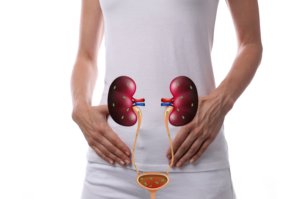 Bladder infection is one of the most widespread bacterial infections. It can lead to serious complications such as kidney infections and blood poisoning. A team of scientists from University of Queensland in Australia has discovered new details about zinc and its role in the immune defense, and how zinc helps the white blood cells fight coli bacteria that are the main cause of bladder infections. Women are more exposed than men, and there are some rather easy ways for them to prevent coli bacteria from spreading to the urinary tract.
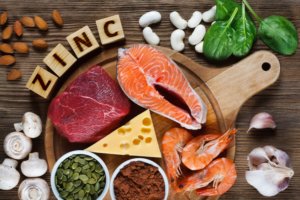 Pneumonia is a serious disease, from which more than one million people die each year. A team of scientists from Melbourne University in Australia has now discovered how the trace element zinc strengthens the immune system and helps it fight pneumococcus, which is the leading cause of pneumonia. Their research also shows that zinc deficiencies are rather common. Getting too little zinc can be a result of poor eating habits as well as vegetarian and vegan diets. There is also the fact that ageing processes, sugar, birth control pills and inorganic iron supplements can impair the body’s uptake and utilization of zinc. If the immune system lacks this vital nutrient, it may increase your risk of sick days and perhaps even be life-threatening in worst case.


