


Lack of vitamin D may cause heart failure and diabetes
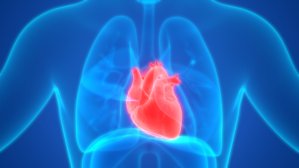 Get lots of sunlight. It is the richest source of vitamin D. Also make sure to take a vitamin D supplement if, for some reason or other, you are unable to get enough sun exposure – and most certainly during the winter period. Studies show that lack of vitamin D may lead to heart failure due to insulin resistance, which is an early stage of diabetes. In other words, having too little vitamin D in your blood may impair the heart’s ability to take up blood sugar and that can cause a morbid enlargement of the cardiac muscle. This was seen in an Indian study that is published in the journal Molecular Nutrition and Food Research. The scientists see vitamin D as having huge potential in the prevention and treatment of cardiac failure plus insulin resistance and diabetes that is spreading like a bushfire.
Read more about vitamin D deficiencies and how they can cause heart failure and diabetes
- Created on .
 Lack of dietary
  Sclerosis, rheumatoid arthritis, certain gastrointestinal infections, and a host of other diseases are so-called autoimmune diseases that occur as a result of the immune defense overreacting and attacking the body’s own tissues. Scientists from the University of Edinburgh in Scotland have now mapped out exactly how
 Scientists have discovered traces of antibiotic-resistant super bacteria (NDM-1) in the soil of Svalbard. This archipelago is located in the arctic ocean between the North Pole and Norway, several thousand kilometers from India where the bacteria was originally discovered. This is described in a study that is published in the science journal, Environment International. Bacteria with the resistance gene NDM-1 have now spread to a number of other countries and many people have lost their lives to them. Humans are also challenged by other antibiotic-resistant bacteria, and the British health authorities consider this to be a larger threat to humans than climate change. But what causes these bacteria to develop resistance? And what vitamins and minerals are particularly important for bolstering the immune system? After all, our immune defense is our only way of protecting ourselves if antibiotics fail to work.
 Unhealthy eating habits account for one in five deaths globally and are now considered the single most life-threatening risk factor. In most countries, people could reap a lot of health benefits and live longer by eating healthier diets, but it would be wrong to hold each individual responsible because there is an urgent need for international collaboration that involves politicians, agriculture, the food industry, and the health sector, according to a new study (The Global Burden of Disease) that is published in The Lancet. An earlier and larger Czech study published in the science journal Nutrients calls for a paradigm shift with regard to diet recommendations, claiming that the scaremongering about saturated fat and cholesterol should never have been introduced.
 Parkinson’s disease, also known as shaking palsy, is one of the most common chronic disorders among older people. There is no effective cure at this point, and the only way to address the disease is to suppress the symptoms but that does not treat the underlying cause. Even though most cases of Parkinson’s disease are sporadic, it turns out that the hereditary variants of the disease are linked to mutations in a particular gene. A team of scientists from University of the Basque Country in Spain has discovered that
 The mitochondria are the powerhouses of our cells that churn out energy in a process that involves oxygen, Q10, selenium, and other nutrients. Around 100 years ago, the German Nobel Prize winner, Professor Otto Warburg, demonstrated that even if cancer can be caused by a number of secondary factors, there is only one primary cause: alterations in the mitochondrial oxygen turnover. In his recent book, Tripping over the Truth, molecular biologist Travis Christoffersen describes how contemporary scientists confirm Warburg’s theories and says that we need to look at prevention and cancer treatment from an entirely different angle. Other studies show that Parkinson’s disease, migraine, senility, chronic fatigue, fibromyalgia, epilepsy, and other neurological disorders may be rooted in defects of the mitochondria that have many other functions besides delivering energy. It is therefore vital to take care of the mitochondria throughout life. You can read more about the ketogenic diet that optimizes mitochondrial energy turnover in different mitochondrial diseases.
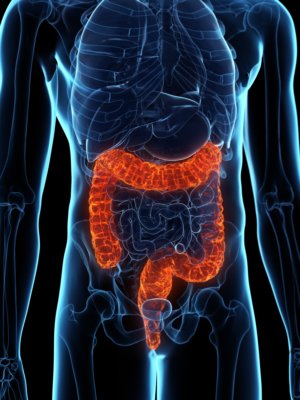 Irritable bowel is the most common intestinal disorder and affects around 15 percent of the population. The symptoms are typically unstable digestion, flatulence, constipation, diarrhea, stomach pain, and intestinal cramps. Several studies have shown that lack of
 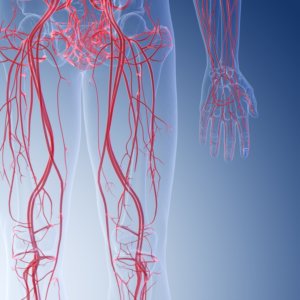 Peripheral circulatory disorders are primarily caused by clogged blood vessels in the extremities. Symptoms typically include walking-induced leg pain, cold hands and feet, or impotence caused by a poor blood supply. According to a new study that is published in the science journal Lipids, people with peripheral circulatory disorders have lower levels of
 Swiss scientists have observed that if you take a type of