


Diabetics have complicated deficiencies of vitamins and Q10
 Diabetes is spreading like a bushfire across the globe, but even if governments, doctors, and health authorities have tried desperately to bend the curve, they have not succeeded so far. On the contrary. Today, diabetes is controlled with help from different medical drugs that do not address the underlying cause and actually affect or organ systems. Because of this, diabetics often have impaired quality of life and shorter lifespans than healthy individuals. What is more, diabetics have widespread vitamin B12 and vitamin D deficiencies, which are associated with diabetic neuropathy, which is a serious complication. Cholesterol-lowering drugs (statins) are also linked to reduced levels of Q10, a compound that is necessary for energy turnover, the heart, and the cardiovascular system.
Read more about why diabetics have complicated deficiencies of vitamins and Q10
- Created on .
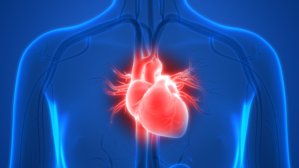 Heart failure is when the heart loses power and is no longer able to deliver blood to the different parts of the body. Typical symptoms are shortness of breath and physical exhaustion. There may also be symptoms like fluid retention, persistent coughing, chest tightness, increased sweating, or cold sensitivity. Chronic heart failure may be caused by different things, and it is a life-threatening condition. However, according to a study that is published in Journal of Clinical Investigation, magnesium supplementation can improve a type of heart failure called diastolic dysfunction. Previous studies have demonstrated that supplements of Q10 can also improve cardiac function in patients with heart failure.
 The number of Danes suffering from one or several chronic diseases is a lot higher than previously thought, according to a group of scientists behind a new study from Danish Center for Healthcare Improvement at Aalborg University. Diseases such as hypertension, elevated cholesterol, depression, bronchitis, asthma, type 2 diabetes, rheumatism, and osteoporosis are among the most widespread ailments. Although there may be a reason of underlying factors, diet and lack of essential nutrients often play a key role. This is something that we have written about over the years on this website, and we have tried to gather some facts from various articles. Simple diet changes and the use of relevant nutritional supplements may play a key role in the treatment of these chronic ailments that come at a huge price, both to the individual sufferer and to society.
 Expecting mothers should pay careful attention to getting enough vitamin D all year round, especially because vitamin D deficiencies are so commonplace, to begin with. Lack of vitamin D at birth and the first years of life is associated with an increased risk of infant hypertension, and the problem can even continue to adulthood. This was shown in a study that is published in the science journal Hypertension. The researchers advise pregnant women to have their vitamin D levels measured, and they even recommend vitamin D supplements for pregnant women and children as a way of preventing elevated blood pressure later in life.

 It is commonly known that degenerative diseases such as cardiovascular disease, diabetes, kidney ailments, and liver diseases are often linked to poor quality of life and shorter lifespan. Supplementing with Q10, possibly in combination with selenium yeast, may have a positive influence on the mentioned conditions and lower your risk of premature death by as much as 50 percent or more. In fact, Q10 can help delay the ageing processes by protecting the heart, cardiovascular system, and cells, according to a large review article published online by NCBI (National Center for Biotechnology Information). As mentioned in this article, it is essential to use supplements that are pharmaceutical-grade in order to ensure proper absorption in blood and tissue.
 People in the Western part of the world consume far too much omega-6, primarily in the form of linoleic acid from vegetable oils and processed foods such as margarine, fries, chips, and ready meals. A new study that is published in The Journal of Physiology shows that this may be harmful during pregnancy and can increase the risk of complications and developmental disorders in the baby.
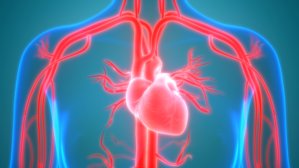 Patients who take glucosamine for their osteoarthritis have a bonus effect: The preparation also lowers the risk of cardiovascular disease, according to a large population study published in the science journal British Medical Journal. Always choose pharmaceutical-grade glucosamine so you are sure to obtain the desired effect.
 Global heating and the whole climate debate have greatly increased the number of vegans and vegetarians. Their intensions may be good, but what they do not know is that their lifestyle can lead to serious health problems. A Spanish study of vegetarians and vegans has shown that 11% of the study participants had subclinical or clinical vitamin B12 deficiency. Earlier studies supporting this finding. Because the problem is insidious, it is often difficult to see the link between the deficiency and the symptoms caused by anemia or disturbances in the nervous system. The lack of
 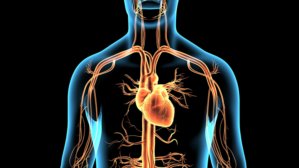 Melatonin is primarily known as a sleep hormone and a powerful antioxidant. According to a new study, melatonin may even improve the condition of rats that have heart rhythm disturbances with an increased risk of heart attack. Melatonin’s ability to improve the heart function is not related to its antioxidant function, however, and that surprised the scientists behind the study. The new study was presented at an annual meeting for the American Physiological Society (APS) in Orlando. Melatonin has several vital functions, but as we age our endogenous production decreases. Not only does this affect our quality of sleep, it also has a negative impact on the heart and the body’s cells.
 It is commonly known that fish oil with its high content of the two omega-3 fatty acids EPA and DHA helps prevent atherosclerosis. According to a new international study, it appears to be DHA that has the major effect. This new insight, which has surprised the scientists, is relevant to public health because cardiovascular disease continues to be the leading cause of death.