High blood levels of certain nutrients are linked to improved cerebral function in the elderly
 We all hope to remain mentally alert throughout life, to be able to manage on our own, and to avoid diseases such as dementia. The diet plays a major role, and blood levels of various B vitamins, vitamin D, omega-3 fatty acids and certain other nutrients are linked directly to brain activity and cognitive functions. This was demonstrated in a new study of elderly people, which is published in the science journal Neurolmage. At the same time, other studies show that there is widespread lack of these nutrients due to poor dietary habits, the use of pharmaceutical drugs, and lack of sunshine. This may have consequences for both public health and health care expenditure, unless one installs timely prevention by providing the brain with vitamins, essential fatty acids and all the other things on which it depends.
- Created on .
 Premature infants have a higher risk of development disturbances. On a global scale, preterm delivery is the leading cause of death among children younger than five years of age. Pregnant women, who increase their intake of
  Infertility affects around one in seven couples. WHO considers it a global health problem. One of the leading causes is impaired semen quality, and Danish, Norwegian, and German men have lower sperm quality than any other male populations. Impaired sperm quality may be a result of an unhealthy lifestyle with stress, tobacco, stimulants, and hormone-disrupting compounds. On the other hand, scientists from Mexico have found that supplements of zinc, selenium, Q10, and omega-3 have an effect on the number of sperm cells and their quality. Other studies show that zinc and selenium protect sperm cells and are important for testosterone levels.
 Colon polyps are rather common, and there is a specific type of polyps that increases the risk of colon cancer, which is also a widespread problem. According to a new clinical study from the University of Leeds in England, a concentrated form of the omega-3 fatty acid, EPA, which is found in oily fish and fish oil supplements, helps reduce the number of colon polyps. The same is the case with aspirin. The two preparations work differently, however, depending on where in the colon the polyps are found, and aspirin may have long-term side effects. Earlier research has shown that supplements of selenium and antioxidants have a preventive effect, which appears to be even greater.
 A higher intake of
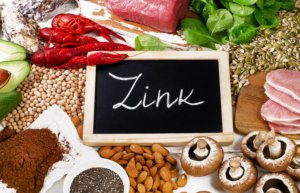 An estimated two billion people worldwide lack
  Migraine is the most common neurological disorder. According to a large review article, which was published in the scientific journal, Nutrients, large doses of
 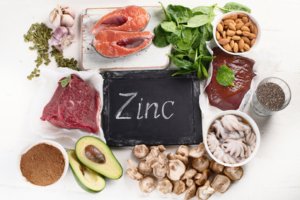 Our skin is among the body’s organs that contains the most zinc, and the trace element is of vital importance to the formation and protection of skin cells. A zinc deficiency can therefore contribute to poor wound healing, sensitive skin, acne, eczema and other skin disorders, and hair loss, according to a new study that is published in the scientific journal Nutrients. Although clinical zinc deficiencies are rare in our part of the world, sub-clinical deficiencies are rather common. For instance, vegetarians, pregnant and breastfeeding women, and older people are particularly vulnerable. A large intake of sugar, calcium, and alcohol, the use of birth control pills and several types of medicine, plus certain diseases and other factors can also increase your risk of becoming zinc-deficient.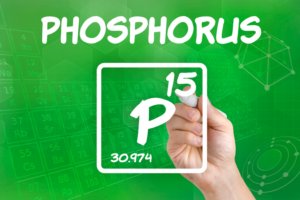
 If you have a large waist circumference, you are more likely to have low blood levels of
 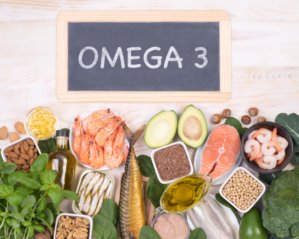 Everyone has the desire to stay as youthful as possible, to be healthy, and to be able to enjoy senior life with good cognitive functioning and the ability to remain physically active. Of course, this requires that we take good care of ourselves, and a healthy diet is extremely important. It turns out that having high blood levels of