Hearing loss is linked to omega-3 deficiency
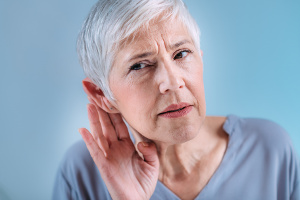 As we grow older, our risk of hearing loss increases, and our diet plays a major role. Apparently, there is a link between hearing loss and being deficient in an omega-3 fatty acid that we get from oily fish and fish oil supplements. This was seen in a study that was presented in Boston at a meeting for the American Society for Nutrition – an American company for professional researchers and practitioners in nutrition. The scientists mention that increased intake of this particular omega-3 fatty acid from the diet or from supplements may help prevent hearing loss.
Read more about the link between hearing loss and lack of omega-3
- Created on .

 Vitamin B12 is important for the development and function of our central nervous system. In the past decades, science has also found similarities between sclerosis and the neurological symptoms that occur in people who lack vitamin B12. In a new study that is published in Cell Reports, scientists have found the molecular relation between vitamin B12 and the function of supportive brain cells.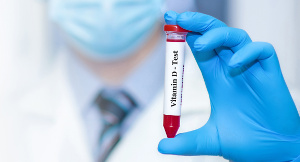
 Lack of vitamin D is linked to an increased risk of virus infections, respiratory diseases, cardiovascular diseases, dementia, cancer, and osteoporosis. However, the official recommendations for vitamin D intake are way too low, according to two new studies that were presented at the American Heart Association’s Scientific Sessions in Philadelphia in 2023. In addition, a German study of athletes has shown that it is better to take individually tailored vitamin D supplements to optimize blood levels of the nutrient instead of using a “one-size-fits-all” solution.