


Appropriate amounts of zinc may protect against herpes simplex
 Herpes simplex virus (HSV) infections are very common. HSV-1 typically causes cold sores on the lips, whereas HSV-2 typically causes painful blisters and sores on the genitals, buttocks, or thighs. HSV is transmitted through direct contact, and after the initial outbreak, the virus remains dormant in nerve cells for the rest of a person's life. However, many people experience recurring outbreaks. In severe cases, serious complications can also occur. A population-based study published in BMC Infectious Diseases suggests, however, that moderate zinc intake may have a protective effect.
Herpes simplex virus (HSV) is a common DNA virus that exists in two forms. HSV-1 causes cold sores and is primarily spread through kissing and other oral contact. Worldwide, an estimated 67 percent of people under the age of 50 are infected with HSV-1. HSV-2 is mainly transmitted through sexual contact, and an estimated 17 percent of people aged 15–49 are infected with this variant.
HSV initially enters the body through the mucous membranes and then remains latent in nerve cells for the rest of a person's life. However, many people experience recurrent HSV outbreaks triggered by sunlight, stress, or a weakened immune system. In addition to localized fluid-filled blisters and sores, HSV can also cause fatigue and, in severe cases, serious complications such as encephalitis or herpes keratitis, which is a leading cause of infectious blindness.
Because HSV has the ability to mutate, there is no vaccine, and HSV cannot be cured. Since outbreaks can only be alleviated or shortened with antiviral medications, a better understanding is needed of what causes HSV to reactivate.
Diet may play an important role, and since it is already known that zinc deficiency increases the risk of various viral infections, the researchers behind the new study wanted to investigate the association with HSV in greater detail.
They therefore obtained relevant data from a large U.S. study called NHANES (the National Health and Nutrition Examination Survey), which examines the population's dietary habits and health over time. A total of 6,483 individuals were included, of whom 59% tested positive for HSV-1 and 19% tested positive for HSV-2. Using various statistical methods and subgroup analyses, the researchers examined whether participants' dietary zinc intake was associated with outbreaks of HSV-1 or HSV-2. The participants were then divided into four quartiles according to their daily zinc intake.
After adjusting for various confounding factors such as age, sex, race, BMI, alcohol consumption, smoking habits, and lifetime number of sexual partners, the study revealed that participants with the lowest zinc intake had a higher risk of experiencing HSV-1 or HSV-2 outbreaks than participants who consumed more zinc. At the same time, participants with the highest zinc intake also had an increased risk of herpes outbreaks.
The researchers therefore concluded that daily zinc intake followed a U-shaped curve in relation to the risk of HSV-1 and HSV-2 outbreaks. This indicates that moderate zinc intake has a protective effect against HSV-1 and HSV-2.
How does zinc work against herpes?
Zinc is an essential trace mineral that is important for growth. It also has a wide range of enzymatic functions, acts as an antioxidant, and is important for overall health.
In addition, zinc plays a role in both the innate immune system, which fights most infections without producing symptoms, and the adaptive immune system, which produces antibodies and immunity. However, because HSV has the ability to mutate, it is not possible to develop lifelong immunity, making it important for the immune system to remain well equipped with zinc throughout life.
Many studies have shown that zinc has several antiviral effects and that populations with insufficient zinc are more vulnerable to colds, hepatitis viruses, and HIV.
Zinc also appears to have a direct effect on HSV by interfering with the DNA mechanisms that HSV uses to reproduce itself. The new study was published in BMC Infectious Diseases.
Sources of zinc, requirements, and supplements
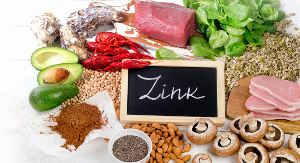
Oysters are rich in zinc, as are liver, meat, eggs, dairy products, seeds, and beans. Zinc is more readily absorbed from animal sources.
Official daily recommendations vary from 7–20 mg per day for adults in different countries. The upper daily limit is 25–40 mg from food and supplements. Over time, higher doses of zinc can reduce the body's utilization of iron and copper.
References
Chunhua Liu et al. Association between dietary zinc intake and herpes simplex virus seropositivity in U.S. adults: a cross-sectional study. BMC Infectious Diseases. 2026
Venthan J Mailoo. Lysine for herpes Simplex Prophylaxis: A Review of the Evidence. Integrative Medicine: A Clinician´s Journal. 2017
TIP! See also the related articles
Search for more information...

- Created on .