


Steer clear of migraine triggers seek natural solutions
 The low spring sun and bright sunlight can trigger a migraine attack. According to a new report, migraines may also be caused by a lack of vitamin D, which are common during the spring period. The combination of both is therefore rather unfortunate. Earlier and more recent studies show that lack of Q10, magnesium, and B vitamins can also trigger migraines, a condition that makes life miserable for millions of people. What is important is to detect and avoid the things that seem to cause these attacks and, at the same time, make sure to compensate for the nutrients, which the cells are lacking, in order to help the nervous system, the hormone system, and the cardiovascular system function properly.
Read more about natural solutions that are useful against migraine headaches
- Created on .

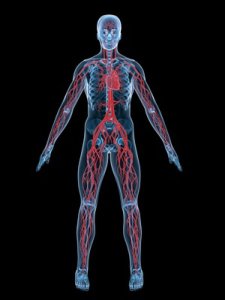 Lack of vitamin K2 increases your risk of stiff arteries and atherosclerosis, which is the leading cause of death worldwide. This was observed in two new studies, one that is published in the American Journal of Hypertension, the other in the journal Nephron. A third study that is published in Clinical Nutrition reveals that daily supplementation with vitamin K2 lowers the risk of early death caused by cardiovascular disease. Our diet used to provide substantially more vitamin K2 from fermented foods than now, and this type of food deserves a comeback. It is also important to know the difference between vitamin K1 and vitamin K2.
 Mice that are genetically predisposed to glaucoma may avoid the eye disease if
  During spring and summer, many people suffer from allergy symptoms and hay fever because their immune system overreacts to airborne pollen. However, according to a new American study, it is possible that different lactic acid bacteria and bifidobacteria can help alleviate the symptoms. The explanation lies in our intestinal microflora and its importance for a properly functioning immune system.
 Ageing processes are associated with loss of muscle mass and impaired physical performance, both of which tend to lower quality of life. It is commonly known that
  According to a study that is published in PLoS Medicine’s Special Issue on Dementia shows that low levels of polyunsaturated fatty acids in the brain may speed up the development of Alzheimer’s disease. It is therefore vital not to shy away from dietary fats. What is important, however, is to consume unspoiled sources of
  Approximately one billion people worldwide lack
  Alzheimer’s disease causes brain malfunctions, and the condition is the leading cause of dementia. According to a studies of humans and mice, there may be a link between borderline
  Most people lack
 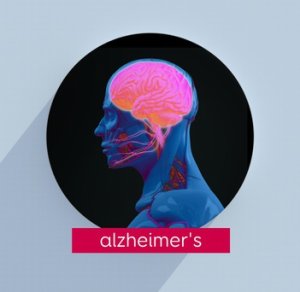 Science has found a link between unstable blood sugar levels, insulin resistance, type 2 diabetes, and an increased risk of developing Alzheimer’s disease (the leading cause of dementia). Type 2 diabetes is spreading like a bushfire, and people many are unware that they have early stages of the disease, typically characterized by fatigue, overweight, and cravings for fast carbohydrates or stimulants. People with Alzheimer’s disease have insulin resistance of the brain, which is why this disease is now referred to as type 3 diabetes. Because it takes many years for Alzheimer’s disease to develop, there is every reason in the world to start early prevention with exercise and a blood sugar-stabilizing diet. Also, a particular trace element may help increase insulin sensitivity, which is why it is vital to get enough of this nutrient.
 According to researchers, women with weak thighs and hamstrings have an increased risk of developing knee osteoarthritis. Of course, leg muscle exercise is important for preventing this condition, but adequate nutrient intake and maintenance of the right body weight also contribute. For those who are already affected by knee osteoarthritis, glucosamine supplements can be useful. Make sure to choose glucosamine sulfate and to stick with glucosamine supplements that are listed as medical drugs if you want to be sure to obtain the desired effect.
 Schizophrenia, a brain disease, is an extreme burden to the patient as well as to the patient’s family. However, a large meta-analysis published in Psychological Medicine documents that adjuvant therapy with large doses of