


Magnesium supplements can relieve anxiety, stress, and depression
 Magnesium takes part in over 300 different enzyme processes, some of which are relevant for the nervous system. Magnesium deficiencies are common, and there is a link to the increased prevalence of subjective anxiety and stress. Researchers from the University of Leeds in Great Britain have reviewed a number of studies that show how supplementation with magnesium may help in cases of mild anxiety, stress, and depression. Magnesium appears to be a precondition of a healthy and sturdy nervous system, and getting enough of this nutrient is therefore important for preventing these conditions.
Read more about magnesium supplements and how they relieve anxiety, stress, and depression
- Created on .
 More than 25 percent of people older than 65 years have low levels of vitamin D in their blood. Deficiencies in vitamin B12, folic acid, and iron are also common. This is the conclusion of a large study that was conducted by scientists from Helmholtz Zentrum in Munich, Germany. The widespread lack of vitamins and minerals among older people is critical, especially because this population group is increasing. The lack of essential nutrients affects the calcium uptake, immune defense, and nervous system among other things, leaving older people increasingly vulnerable to osteoporosis, influenza, dementia, and a host of other diseases that impair quality of life and burden the entire public health sector.
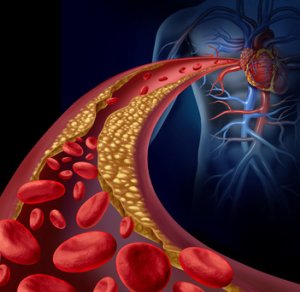 Atherosclerosis is one of the leading causes of death in the Western world, and the heart is particularly vulnerable. According to a study from the University of Birmingham, Alabama (USA), foods that are rich in potassium such as bananas, potatoes, avocado, and almonds protect against this disease, which takes years to develop. Beware that too much salt and the use of diuretics may deplete the body’s potassium stores.
 Fish oil contains the omega-3 fatty acids, EPA and DHA, which are important for normal development of the baby’s brain and immune defense. Pregnant women who eat oily fish several times a week help their babies against developing asthma later in life. Oily fish and fish oil supplements have similar effects. This was shown in two studies from the University of South Florida in Tampa, USA. However, pregnant women should avoid predatory fish like tuna that contain mercury. For those who dislike the taste of fish or who simply do not eat enough, fish oil supplements are an option.
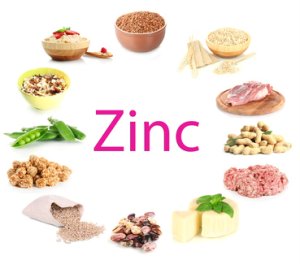 Earlier studies have shown that
  Forget about keeping track of calories if you want to shape up. Weight loss is about eating the right kinds of food, and ensuring an optimal blend of carbohydrates, fat, and protein that guarantees satiety for four to six hours so you are not tempted by quick energy fixes. Continue reading and find out more about why it is so important to get plenty of Q10, iodine, selenium, and chromium for permanent results. The question is, why is it difficult to get enough from a normal diet? And why are so many people suffering from weight problems caused by metabolic disorders and insulin resistance?
 Type 2 diabetes and early stages of the disease such as insulin resistance are spreading like a bushfire. The good news is that if you consume many antioxidants from fruit, vegetables, berries, tea, and dark chocolate and limit your intake of alcohol, you can lower your risk diabetes risk. This was shown in a new study that is published in the European journal Diabetologia, which focuses on diabetes research.
 It is hardly a coincidence that many patients with arthritis feel worse during the winter period where the sun sits too low in the sky for us humans to be able to synthesize
  All
All  It is commonly known that
 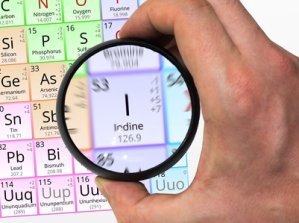 It appears so. Iodine is an essential trace element that is vital for metabolism and estrogen balance. Iodine also helps the body get rid of environmental toxins. In fact, exposure to these toxins increases our need for iodine, and many experts believe that the official recommendations for iodine are too low.
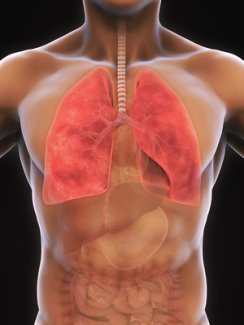 Taking a supplement of
 Decades of intensive farming have depleted the soil. As a result, crops lack up to 40% of their essential nutrients, according to a previously published study from University of Texas and a more recent one from Switzerland. Even if you stick to the official dietary guidelines, you may have difficulty with getting enough