


Which supplements prevent cardiovascular disease?
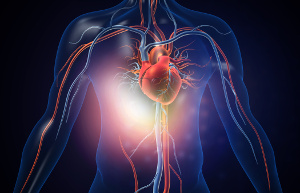 Cardiovascular disease is still the leading cause of death, and both diet and lifestyle are of huge importance. According to a new meta-analysis, fish oil, folic acid, and Q10 are some of nutrients with the greatest potential to lower the risk. It is important to underline that supplements are not likely to make much of a difference if the dosage is too low or if the quality of the preparations is poor.
Read more about which supplements to take to prevent cardiovascular disease
- Created on .
 After a COVID-19 infection many people experience chronic symptoms such as fatigue, muscle pain, depression, and sleep disturbances. According to a study that is published in Clinical and Experimental Medicine, supplementing with
  Melanoma is a type of malignant skin cancer that spreads rapidly. Being vitamin D-deficient doubles the risk of dying of the disease, according to a Spanish study that was presented at the European Academy of Dermatology and Venereology congress. It is commonly known that sunburns, which one should generally avoid, increase the risk of contracting skin cancer. But we must not forget that the summer sun is our main source of
  Over the past decades, numerous studies have linked low
  Insulin resistance is when the cells’ ability to take up glucose from the blood is impaired. It typically causes abnormal hunger and weight gain. Insulin resistance is also one of the symptoms of metabolic syndrome and type 2 diabetes. Previous studies have already demonstrated a link between vitamin D deficiency and the development of insulin resistance. The risk is even greater if you also lack magnesium, according to an American study. Here, the researchers look at interactions between
 Photodynamic therapy is a kind of light therapy that is used to treat skin cancer, psoriasis, and other skin diseases. According to a review article published in Nutrients,
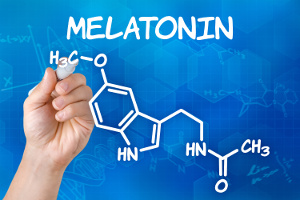 In the summertime, we synthesize
  Fish contains vitamin D, omega-3 fatty acids, selenium, and iodine, all of which are important for the fetus’ brain and development. However, fish also contains mercury and that discourages many pregnant women from eating fish. According to a new study that is published in NeuroToxicology, eating fish during pregnancy is actually not harmful at all, on the contrary, and the scientists behind the study argue that the precautionary guidelines need to be revised. Apparently, the selenium content in fish and seafood determines if mercury is dangerous or not.
 Blood levels of