


In insulin resistance, more magnesium and potassium can shrink fat deposits
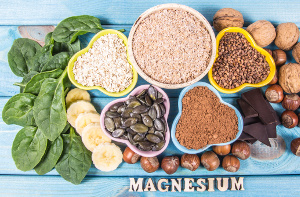 Diabetes and its precursor, metabolic syndrome, are characterized by insulin resistance and overweight. According to a Chinese study that is published in Frontiers in Nutrition, increased intake of magnesium and potassium helps reduce the fat deposits. The authors mention that both nutrients help regulate unstable blood sugar and other metabolic disturbances that are seen with diabetes and metabolic syndrome.
- Created on .
 The rate of prediabetes and diabetes is reaching epidemic proportions. Many people even have prediabetes without being aware of it. The condition is characterized by elevated cholesterol and triglyceride levels, but according to a meta-analysis that is published in Frontiers in Nutrition, high-dosed
  Our risk of hearing loss increases as we grow older, and the nutrients in our diet appear to play a major role. According to a population study published in Frontiers in Nutrition,
  Regular sport is good for you, whereas arduous training and high-performance sport can result in physical injuries, infections, chronic inflammation, and serious diseases due to oxidative stress. This phenomenon occurs as a result of the increased energy turnover, which produces an excess of free radicals that cause damage to cells and tissues. Oxidative stress is also associated with impaired performance, poor restitution, and faster ageing. Our only natural defense against free radicals is the presence of antioxidants, and it is especially things like
  Kidney stones is a painful and quite common problem. The diet plays a major role and according to a large American population study published in Nutrients,
 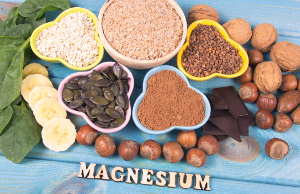 Anemia is global problem that is on the rise. It causes fatigue, heart palpitations, impaired immunity, and a number of other symptoms. Iron deficiency is a known cause but according to a large population study published in Frontiers in Nutrition, there is also a link between
  Glioblastoma is a the most common type of brain tumor and is very aggressive. Existing therapies are not all that effective and most people die within a few years after being diagnosed with the disease. It is essential to have more focus on prevention, and diet plays a major role. According to a Chinese population study,
  Metabolic syndrome, which is an early stage of diabetes, is spreading like a bushfire. This condition is characterized by overweight, hypertension, hypercholesterolemia, and disrupted blood sugar metabolism. The diet plays a major role, and scientists have found a direct link between the intake and serum levels of
  During pregnancy,
  The number of older people is on the rise, and so is the number of people who suffer from dementia and die as a result of this condition. If you increase your dietary intake of
  It is both healthy and life-extending to get plenty of summer sun, which is our main source of
  Telomeres are protective caps at the end of our DNA strands. You can compare them to the small plastic aglets that prevent shoelaces from unraveling. For each time a cell divides, the telomeres become shorter. The length of telomeres conveniently indicates our biological age. Diet plays a role and according to a large population study, vitamin C intake is linked to telomere length. The same is the case with Q10 and selenium, according to Swedish research. Vitamin C, Q10, and selenium serve as unique antioxidants that protect the telomeres and the cells against damage caused by oxidative stress.
 Everyone is affected by electromagnetic radiation from cell phones, device screens, the electricity supply and other electric systems. The brain’s neurons are particularly vulnerable, especially because electromagnetic radiation can increase the neuronal uptake of calcium ions, which makes the neurons overactive and may even cause them to perish. A study published in News Medical Life Sciences shows that too much calcium in the brain increases the risk of Alzheimer’s disease and digital dementia in young individuals. The increased electromagnetic radiation also generates loads of free radicals in the body that can cause oxidative stress and cellular damage because it outperforms the body’s different antioxidants. This was described in an article published in The Journal of Microscopy & Ultrastructure that also mentions how electromagnetic radiation can cause stress, headaches, fatigue, anxiety, and other symptoms.