


PCOS is often a result of micronutrient deficiencies
- that you can correct with diet changes and supplements
 PCOS – or polycystic ovary syndrome – is a problem that occurs in 5-10 percent of women of childbearing age. It is the most common cause of involuntary infertility. Related symptoms include tiredness, hirsutism (male hair growth), acne, and irregular menstrual periods. PCOS is often linked to instable blood sugar, increased risk of insulin resistance, overweight, cardiovascular disease, type 2 diabetes, and autoimmune diseases like Hashimoto’s thyroiditis that causes slow metabolism. Diet and exercise mean a lot in terms of prevention and treatment. The same is the case with different vitamins and minerals. We will be looking closer at B vitamins, vitamin D, vitamin E, and coenzyme Q10, plus magnesium, zinc, selenium, chromium, iodine, and fish oil. We will also be looking at how relevant supplements, according to science, can help control blood sugar levels and the hormone balance.
- Created on .
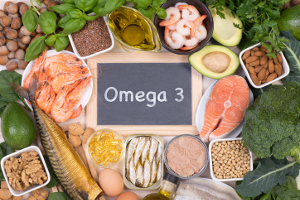 An estimated 334 million people worldwide suffer from asthma, which is associated with chronic inflammation. Increased intake of
  There is a clear link between
  Chronic heart failure is a potentially life-threatening condition that affects millions of people worldwide. A group of scientists recently looked at the relation between chronic heart failure and
  Many young men have poor sperm quality and the underlying cause is often unknown. The health of sperm cells depends a lot on
  Atrial fibrillation is a rhythm disturbance in the electrical system of the heart. It is also one of the most common heart disorders and can be both harmless and potentially life-threatening. Lack of
 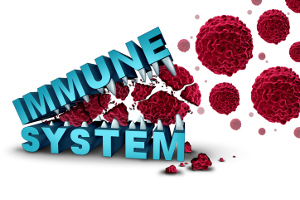 It is not the actual COVID-19 virus that can become lethal. It is the immune system’s overreaction with hyperinflammation and a storm of cytokines that destroys healthy tissue in the lungs, the cardiovascular system, and other places in the body, according to a new article that is published in The Lancet. The capacity of the immune system determines if an infection like COVID-19 is either harmless or life-threatening. For that reason, hygienic measures, masks, isolation, and delayed vaccines are not sufficient. We also need to bolster our immune system against COVID-19 and other pandemics that may occur in the future. Let’s look closer at vitamin C, vitamin D, selenium and zinc, all of which are essential for preventing a well-functioning immune system from going off its rails. What is also worth mentioning is that many people lack these nutrients, especially older people and other exposed groups.
 Lack of
  PMS (premenstrual syndrome) is quite common among women of childbearing age and can easily make their lives miserable for years, causing both physical and mental discomfort several days a month. A possible cause can be lack of
 It is hardly a coincidence that sore throats, colds, flus, and related complications such as sinus infections and pneumonia typically circulate during the winter period. They are primarily a result of having low
  The coronavirus has spread from Wuhan in China to a number of continents, where it has caused massive fear and affected daily life and the global economy. Although most people that get the infection experience a mild course of events, the greatest fear is the potentially life-threatening complications in the respiratory system caused by oxidative stress, which have already taken thousands of human lives. Chinese scientists now call for early intravenous therapy with large doses of vitamin C to prevent oxidative stress and the life-threatening complications that follow in the wake of a derailed immune system. Many researchers also claim that higher intake of vitamin C from dietary sources or supplements help prevent by boosting and regulating the immune system in the upper respiratory tract. The same goes for vitamin D and selenium.