


The therapeutic potential of vitamin D supplements in thyroid cancer
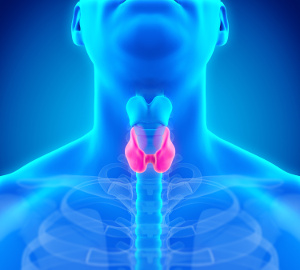 The most common type of thyroid cancer is called papillary thyroid carcinoma. Although the prognosis is good, many patients experience a reduced quality of life. Vitamin D deficiency also appears to be widespread among patients with papillary thyroid carcinoma, contributing to chronic fatigue, muscle weakness, weight gain, and other symptoms. Vitamin D supplementation, however, appears to reduce symptoms and improve quality of life, according to a study published in Frontiers in Nutrition. It should be noted, however, that many people need higher doses of supplements to optimize their blood levels of vitamin D.
Papillary thyroid carcinoma accounts for around 70 percent of thyroid cancer cases. Symptoms include a hard lump on the front of the neck, hoarseness, or changes in the voice. Larger lumps can also cause difficulty swallowing or breathing. The cause is often unknown, and cases are increasing worldwide. The disease is treated by surgically removing the entire thyroid gland or less affected parts, and in some cases radioactive iodine is administered. Subsequent treatment consists of thyroid hormone replacement therapy.
Although the prognosis is generally good, many patients subsequently experience symptoms such as chronic fatigue, muscle weakness, other neuromuscular symptoms, weight gain, anxiety, and depression, all of which are signs of a poorer quality of life.
Since vitamin D is important for the nervous system, muscles, mood, immune system, and many other functions, the researchers behind the new population study wanted to investigate whether vitamin D also affects quality of life in patients with papillary thyroid carcinoma.
The more vitamin D, the fewer symptoms
The new study included 600 patients with papillary thyroid carcinoma who were recruited between January 2024 and August 2025. The participants’ blood levels of vitamin D were measured before treatment. Symptoms and quality of life were assessed using two questionnaires (The European Organization for Research and Treatment of Cancer Quality of Life Questionnaire-Core 30 and The Thyroid Cancer-Specific Quality of Life Questionnaire)
The researchers then analyzed the relationship between the participants’ blood levels of vitamin D and their quality of life using specific analytical models.
The study revealed the following:
- 27.8% of the participants had a clear vitamin D deficiency in their blood (below 25 nmol/L)
- 69.5% had insufficient levels of vitamin D in their blood (27-75 nmol/L)
- Only 2.7% had sufficient levels of vitamin D in their blood (75-250 nmol/L)
- Vitamin D deficiency was linearly and negatively associated with several specific symptoms and reduced quality of life
- Higher levels of vitamin D were linearly and positively associated with better physical functioning, fewer neuromuscular symptoms, and less unwanted weight gain
Based on these findings, the researchers conclude that vitamin D deficiency is very common among patients with papillary thyroid carcinoma. At the same time, higher blood levels of vitamin D are associated with better physical functioning, including fewer neuromuscular symptoms, less weight gain, and fewer psychological symptoms. According to the researchers, it is therefore relevant for patients with papillary thyroid carcinoma to have their vitamin D status measured in their blood. In addition, vitamin D supplementation to optimize blood levels is relevant in cases of deficiency.
The importance of vitamin D for quality of life and cancer prevention
In the introduction to the study, the researchers describe vitamin D as a steroid hormone that is particularly known for its role in calcium absorption and bone health. In addition, vitamin D is important for the nervous system, immune system, regulation of inflammation, muscles, and many other functions.
Vitamin D deficiency can cause osteoporosis, autoimmune diseases, and several types of cancer. Among cancer patients, higher blood levels of vitamin D have been shown, according to relevant questionnaires (HRQoL), to improve quality of life through less fatigue and better physical functioning. Patients with breast cancer and colorectal cancer may also have better survival if their blood levels of vitamin D are adequate.
The new study is the first to reveal an association between the body’s vitamin D levels and quality of life in patients who have been treated for papillary thyroid carcinoma.
It should be noted, however, that the official recommendations for vitamin D are not a guarantee that blood levels of the vitamin will be optimized, and many people therefore need higher doses of supplements.
Reference:
Yan Li et al. Serum 25-hydroxyvitamin D and health-related quality of life in patients with papillary thyroid carcinoma: a prospective cohort study. Frontiers in Nutrition. 2026
TIP! See also the related articles
Search for more information...

- Created on .